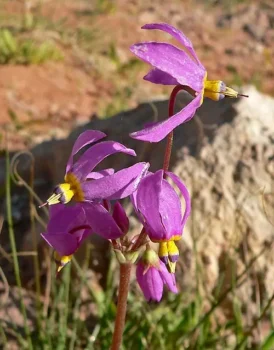
Darkthroat Shootingstar: A Native Spring Beauty for Your Garden
Looking for a charming native wildflower that brings early season color to your garden? Meet the darkthroat shootingstar (Dodecatheon pulchellum), a delightful perennial that’s been gracing North American landscapes long before European settlers arrived. This purple-flowered gem might just be the perfect addition to your native plant collection.
What Makes Darkthroat Shootingstar Special?
Darkthroat shootingstar is a true North American native, naturally occurring across an impressive range from Alaska all the way down to New Mexico. You’ll find this resilient perennial thriving in 21 states and provinces, including Alberta, British Columbia, Alaska, California, Colorado, Idaho, Montana, Oregon, Washington, and many others. This wide distribution speaks to its adaptability and hardiness.
- Species observed
- No observations
As a herbaceous perennial forb, this plant grows from a crown and typically reaches about 2 feet in height. Don’t let its delicate appearance fool you – this is a tough little plant that can handle temperatures as low as -33°F, making it suitable for USDA hardiness zones 3 through 8.
Garden Appeal and Design Uses
The darkthroat shootingstar truly shines in late spring when its conspicuous purple flowers take center stage. The fine-textured green foliage provides an elegant backdrop for the blooms, and the plant’s upright, erect growth habit adds nice vertical interest to garden beds.
This native beauty works wonderfully in several garden styles:
- Native plant and wildflower gardens
- Rain gardens and bioswales
- Woodland edges and partially shaded areas
- Natural meadow plantings
- Spring ephemeral gardens
Growing Conditions: What Does It Need?
One of the most important things to know about darkthroat shootingstar is its relationship with moisture. This plant has a Facultative Wetland status across all regions where it grows, meaning it usually prefers wet conditions but can tolerate drier spots too.
Here’s what your darkthroat shootingstar will appreciate:
- Soil: Adapts well to coarse and medium-textured soils, but struggles in heavy clay
- pH: Prefers slightly acidic to neutral conditions (pH 6.0-7.8)
- Moisture: Medium to high moisture levels work best
- Light: Intermediate shade tolerance – partial sun to light shade is ideal
- Fertility: Medium fertility requirements
- Precipitation: Thrives with 12-30 inches of annual rainfall
Planting and Care Tips
Good news for gardeners – darkthroat shootingstar is routinely available commercially and can be propagated several ways. You can start with container plants, bare root specimens, or even try growing from seed or cuttings.
When planting, space them according to the recommended density of 11,000-18,000 plants per acre (though most home gardeners will want much less dense plantings!). The roots need at least 8 inches of soil depth, so make sure you’re not planting in a shallow area.
Once established, this plant has a moderate lifespan and moderate seed spread rate, so it won’t take over your garden but may self-seed lightly in ideal conditions. The seeds are abundant and conspicuous, persisting from spring through fall, though they don’t hang around through winter.
Pollinator and Wildlife Benefits
Darkthroat shootingstar blooms during late spring, providing valuable nectar and pollen resources when many pollinators are active. Its purple flowers are particularly attractive to native bees and other beneficial insects looking for early season food sources.
Is This Plant Right for Your Garden?
Darkthroat shootingstar is an excellent choice if you’re looking to support native biodiversity while adding spring color to your landscape. It’s particularly well-suited for gardeners who:
- Want to create authentic native plant communities
- Have areas with consistent moisture or are planning rain gardens
- Enjoy subtle, naturalistic beauty over flashy hybrid flowers
- Live in regions where this plant naturally occurs
- Want to support native pollinators with early spring blooms
While it may not be the showiest plant in your garden, darkthroat shootingstar offers the quiet satisfaction that comes with growing a truly native species that belongs in your local ecosystem. Its moderate growth rate and well-behaved nature make it a reliable addition to naturalistic plantings where it can settle in and become part of the landscape’s natural rhythm.