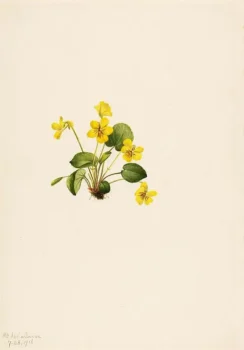
Darkwoods Violet: A Charming Native Groundcover for Shade Gardens
If you’re searching for a delightful native plant to brighten up those shady corners of your garden, meet the darkwoods violet (Viola orbiculata). This petite perennial might not be the showiest plant in your garden, but what it lacks in drama, it more than makes up for in charm and ecological value.
What is Darkwoods Violet?
Darkwoods violet is a native North American perennial that belongs to the violet family. As a forb (basically a fancy term for a non-woody flowering plant), this little gem stays low to the ground and spreads gently to form attractive colonies. Don’t let its modest size fool you – this hardy native has been thriving in North American woodlands long before any of us picked up our first gardening gloves.
Where Does It Call Home?
This woodland beauty is native to the northwestern regions of North America, naturally occurring across Alberta, British Columbia, Idaho, Montana, Oregon, Washington, and Wyoming. It’s perfectly adapted to the cool, moist conditions found in these mountainous and forested regions.
- Species observed
- No observations
Why Your Garden Will Love Darkwoods Violet
Here’s where darkwoods violet really shines as a garden companion:
- Shade tolerance: While many plants struggle in low-light conditions, this violet actually prefers partial to full shade
- Native pollinator magnet: The cheerful yellow flowers attract native bees and other beneficial pollinators
- Low maintenance: Once established, it’s pretty much a plant it and forget it kind of friend
- Groundcover potential: Creates a lovely carpet effect in woodland settings
- Heart-shaped leaves: The attractive foliage provides interest even when not in bloom
Perfect Garden Situations
Darkwoods violet is tailor-made for:
- Woodland gardens where you want that authentic forest floor feeling
- Native plant gardens focused on regional species
- Shade gardens where finding good performers can be challenging
- Naturalized areas where you want low-maintenance groundcover
Growing Conditions That Make It Happy
This violet isn’t particularly fussy, but it does have preferences:
- Light: Partial to full shade (morning sun with afternoon shade works great)
- Soil: Moist, well-draining soil that doesn’t get waterlogged
- Climate: Hardy in USDA zones 4-8, so it can handle some serious cold
- Moisture: Likes consistent moisture but not soggy conditions
Planting and Care Tips
Getting darkwoods violet established is refreshingly straightforward:
- When to plant: Spring is ideal, giving plants time to establish before winter
- Spacing: Plant about 6-12 inches apart for eventual groundcover coverage
- Watering: Keep soil consistently moist during the first growing season
- Maintenance: Minimal! Just remove any dead foliage in late winter
- Fertilizing: Usually unnecessary – native plants prefer lean soil conditions
The Bottom Line
Darkwoods violet might not win any flashiest flower contests, but it’s exactly the kind of reliable, eco-friendly plant that makes gardens both beautiful and beneficial. If you’re looking to support native wildlife, create sustainable landscaping, or simply want a charming groundcover that won’t give you headaches, this little violet deserves a spot in your shade garden.
Plus, there’s something deeply satisfying about growing a plant that’s been quietly beautifying North American forests for centuries. Your local pollinators will thank you, and you’ll get to enjoy those sweet heart-shaped leaves and cheerful yellow blooms year after year.