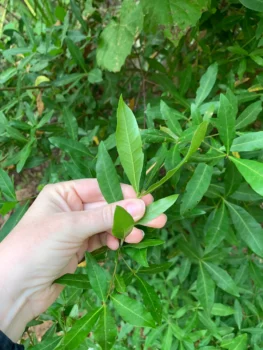
Darlington Oak: A Southeastern Native Worth Considering for Your Landscape
If you’re looking for a native oak that won’t completely dominate your yard but still provides that classic oak character, meet the Darlington oak (Quercus hemisphaerica). This southeastern charmer might not be the most famous oak in the family, but it’s got plenty to offer homeowners who want to support native ecosystems while enjoying a beautiful shade tree.
What Makes Darlington Oak Special?
The Darlington oak is a deciduous tree that typically grows 40-60 feet tall with a similar spread, making it a medium-sized option in the oak world. What sets it apart is its glossy, dark green leaves that create dense shade in summer and turn attractive yellow-brown colors in fall. The tree develops a rounded, spreading crown that provides excellent shade coverage without being overly massive.
As a native species to the lower 48 states, this oak has evolved alongside local wildlife and climate conditions, making it naturally adapted to southeastern growing conditions. You’ll find it naturally growing throughout Alabama, Florida, Georgia, Louisiana, Mississippi, North Carolina, South Carolina, Texas, and Virginia.
- Species observed
- No observations
Is Darlington Oak Right for Your Garden?
This oak works beautifully as a shade tree for medium to large properties, parks, and naturalized landscapes. It’s particularly well-suited for:
- Suburban yards with adequate space (remember, it can spread 40-60 feet!)
- Woodland gardens and natural landscapes
- Properties seeking native alternatives to non-native shade trees
- Areas where you want to support local wildlife
However, it’s not the best choice for small urban lots or areas where space is limited. Like most oaks, it needs room to reach its full potential.
Wildlife and Pollinator Benefits
While Darlington oak is wind-pollinated (so it won’t attract bees to its flowers), it more than makes up for this by supporting countless insects on its foliage throughout the growing season. These insects, in turn, provide food for birds, making your oak a bustling ecosystem hub. Squirrels and other wildlife also appreciate the acorns it produces.
Growing Conditions and Care
One of the best things about Darlington oak is its adaptability. Here’s what it needs to thrive:
- Sunlight: Full sun to partial shade (at least 6 hours of direct sunlight)
- Soil: Well-drained soils of various types; quite adaptable
- Water: Moderate moisture needs; established trees are relatively drought-tolerant
- Climate: Hardy in USDA zones 7-9, perfect for southeastern conditions
Planting and Care Tips
Getting your Darlington oak off to a good start is straightforward:
- Plant in fall or early spring when temperatures are mild
- Dig a hole twice as wide as the root ball but no deeper
- Water regularly the first year to establish strong roots
- Mulch around the base, keeping mulch away from the trunk
- Minimal pruning needed; remove dead or damaged branches as needed
Special Considerations
There’s one important note for Arkansas gardeners: Darlington oak has a rarity status of S1S2 in Arkansas, meaning it’s quite rare in that state. If you’re in Arkansas and want to plant this species, make sure to source it from reputable nurseries that use responsibly collected seed or ethically propagated plants.
The tree’s wetland status varies by region – it typically prefers upland sites but can tolerate some wetland conditions, especially in the Great Plains region.
The Bottom Line
Darlington oak offers southeastern gardeners a wonderful native option for medium to large landscapes. It provides excellent shade, supports local wildlife, and requires relatively little maintenance once established. While it needs space to shine, this oak rewards patient gardeners with decades of natural beauty and ecological benefits. Just remember to plan for its mature size and, if you’re in Arkansas, source it responsibly due to its rarity in that state.