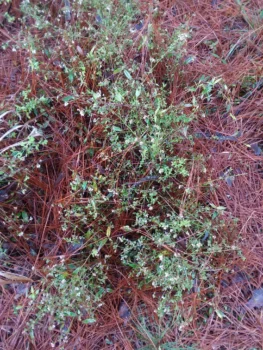
Darrow’s Blueberry: A Hidden Gem for Southern Native Gardens
If you’re looking for a charming native shrub that delivers both beauty and ecological benefits without demanding much attention, let me introduce you to Darrow’s blueberry (Vaccinium darrowii). This delightful little shrub might not be as famous as its larger blueberry cousins, but it’s got plenty of personality and some serious native plant credentials that make it worth considering for your garden.
What Makes Darrow’s Blueberry Special?
Darrow’s blueberry is a true southeastern native, calling Alabama, Florida, Georgia, Louisiana, and Mississippi home. As a perennial shrub, it’s built to last, typically growing as a multi-stemmed woody plant that stays nice and manageable – usually under 13 to 16 feet, though most specimens stay much smaller in garden settings.
This little beauty belongs to the same genus as the blueberries you might grow for breakfast, and yes, it does produce small, dark blue berries that wildlife absolutely love. You might also see it listed under an old synonym, Vaccinium myrsinites var. glaucum, but Vaccinium darrowii is the name that stuck.
- Species observed
- No observations
Garden Appeal and Landscape Role
What’s not to love about a plant that offers year-round interest? In spring, Darrow’s blueberry puts on a show with small, bell-shaped flowers that range from white to soft pink – they’re absolutely charming and have that classic blueberry flower look. Come summer and fall, the dark blue berries appear, and if you’re lucky enough to have cold winter weather in your area, the small evergreen leaves might even develop attractive reddish tints.
This shrub shines in several garden roles:
- Understory plantings in woodland gardens
- Naturalized areas where you want that wild look
- Wildlife gardens focused on supporting local ecosystems
- Native plant collections
- Shrub borders where you need a reliable, low-maintenance player
Perfect for Pollinator-Friendly Gardens
Here’s where Darrow’s blueberry really earns its keep – those spring flowers are magnets for native bees, including bumblebees and various solitary bee species. Butterflies also appreciate the nectar source. And once those berries ripen? You’ve just created a buffet for local birds and small wildlife. It’s like installing a tiny ecosystem support system in your garden.
Growing Conditions and Hardiness
If you’re gardening in USDA hardiness zones 8 through 10, you’re in luck – this is Darrow’s blueberry’s sweet spot. The plant has an interesting relationship with moisture, classified as Facultative Upland in the Atlantic and Gulf Coastal Plain (meaning it usually prefers non-wetland conditions but can handle some wet feet) and Facultative in the Eastern Mountains and Piedmont (happy in both wet and dry conditions).
In practical terms, this means your Darrow’s blueberry is pretty adaptable when it comes to moisture, but it definitely appreciates well-draining soil. Like most plants in the blueberry family, it thrives in acidic conditions – think pH between 4.5 and 6.0.
Planting and Care Tips
The beauty of native plants like Darrow’s blueberry is that they’re generally low-maintenance once established. Here’s how to set yours up for success:
- Soil preparation: Test your soil pH and amend with sulfur or organic matter if needed to achieve that acidic sweet spot
- Location: Choose a spot with partial shade to full sun – this plant is flexible
- Planting: Dig a hole as deep as the root ball and twice as wide, then backfill with your amended acidic soil
- Mulching: Apply a 2-3 inch layer of organic mulch around the base to retain moisture and suppress weeds
- Watering: Provide consistent moisture, especially during the first growing season, but ensure good drainage
- Pruning: Minimal pruning needed – just remove dead or damaged branches as needed
Why Choose Darrow’s Blueberry?
In a world full of flashy exotic plants, there’s something deeply satisfying about growing a species that truly belongs in your local ecosystem. Darrow’s blueberry offers that authentic native experience while being genuinely useful to local wildlife and pleasantly attractive to human eyes.
It’s not going to overwhelm your space or require constant babying, and it certainly won’t escape and cause ecological havoc like some non-native alternatives might. Instead, it quietly goes about its business of supporting local pollinators, feeding wildlife, and adding gentle beauty to your garden year after year.
If you’re ready to embrace the native gardening movement and want a plant that delivers on both ecological and aesthetic fronts, Darrow’s blueberry deserves a spot on your wish list. Your local ecosystem will thank you, and you’ll have the satisfaction of growing something that truly belongs.