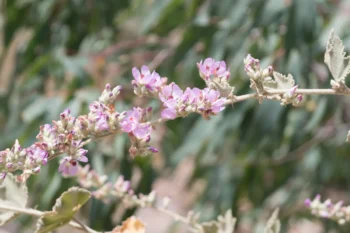
Davidson’s Bushmallow: A Rare California Native Worth Protecting in Your Garden
Meet Davidson’s bushmallow (Malacothamnus davidsonii), a charming yet critically rare California native that deserves a special place in your heart—and possibly your garden. This delightful little shrub is like finding a botanical treasure, but one that comes with some important responsibilities.
What Makes Davidson’s Bushmallow Special?
Davidson’s bushmallow is a perennial shrub that typically grows as a multi-stemmed woody plant, usually staying under 13-16 feet tall. This lovely native produces soft, velvety gray-green leaves that feel almost like velvet to the touch, paired with delicate pink to lavender cup-shaped flowers that grace the plant in spring and early summer. It’s botanical eye candy with a gentle, understated beauty that perfectly embodies California’s natural charm.
Where Does It Call Home?
This special plant is endemic to California, where it naturally occurs in coastal sage scrub and chaparral habitats throughout Southern California. As a true California native, it’s perfectly adapted to the Golden State’s Mediterranean climate and growing conditions.
- Species observed
- No observations
The Important Rarity Reality Check
Here’s where we need to have a serious conversation: Davidson’s bushmallow has a Global Conservation Status of S2, meaning it’s considered Imperiled. With typically only 6 to 20 occurrences and few remaining individuals (1,000 to 3,000), this plant is extremely rare and vulnerable to extinction. If you’re considering adding this beauty to your garden, it’s absolutely crucial that you source it responsibly from reputable native plant nurseries that propagate from ethically collected seeds—never wild-harvested plants.
Garden Role and Design Potential
When responsibly sourced, Davidson’s bushmallow makes an excellent addition to:
- Native plant gardens
- Mediterranean-style landscapes
- Drought-tolerant xeriscapes
- Wildlife and pollinator gardens
It works beautifully as a specimen plant where its unique form can be appreciated, or in small groupings for a more naturalistic feel. Its soft texture and gentle flowers provide a lovely contrast to more architectural plants like agaves or dramatic grasses.
Growing Conditions and Care
Davidson’s bushmallow thrives in USDA hardiness zones 9-11 and prefers:
- Full sun to partial shade exposure
- Well-draining soils (it won’t tolerate soggy conditions)
- Minimal water once established—it’s naturally drought-tolerant
- Good air circulation
Its wetland status is Facultative Upland, meaning it usually occurs in non-wetland areas but can occasionally tolerate some moisture—though well-draining conditions are still preferred.
Planting and Care Tips
For the best success with this special plant:
- Plant in fall when temperatures are cooler
- Provide occasional deep watering during the first year to establish roots
- Prune lightly after flowering to maintain shape
- Avoid overwatering—this is the quickest way to lose your plant
- Mulch around the base to retain moisture and suppress weeds
Wildlife and Pollinator Benefits
Davidson’s bushmallow is a pollinator magnet, attracting native bees, butterflies, and other beneficial insects with its nectar-rich flowers. By growing this plant, you’re not just adding beauty to your garden—you’re providing essential habitat and food sources for California’s native wildlife.
Should You Grow Davidson’s Bushmallow?
The answer is a cautious maybe. If you’re a dedicated native plant gardener who sources plants responsibly and understands the conservation importance of this species, then absolutely consider it. However, if you’re new to native gardening or can’t commit to proper sourcing, there are other lovely Malacothamnus species that are less rare but equally beautiful.
Remember, every Davidson’s bushmallow grown in cultivation from responsibly sourced material helps preserve this precious species for future generations. It’s not just gardening—it’s conservation in action.