Davidson’s Saltbush: A Coastal Native Worth Considering
If you’re looking to add authentic coastal character to your garden, Davidson’s saltbush (Atriplex pacifica) might just be the unsung hero you’ve been searching for. This humble annual native brings a touch of wild California coastline right to your backyard, though it’s definitely more supporting actor than leading lady in the garden drama.
What Exactly Is Davidson’s Saltbush?
Davidson’s saltbush is a native annual plant that calls the coastal regions of California and Arizona home. Don’t let the name fool you – this isn’t your typical ornamental shrub. Instead, it’s a modest annual herb that completes its entire life cycle in a single growing season, making it a bit of a seasonal visitor to your garden.
Where Does It Naturally Grow?
This coastal native has made itself at home in California and Arizona, particularly thriving in the sandy, salty conditions near the Pacific Ocean. It’s perfectly adapted to those challenging coastal environments where salt spray and sandy soils would make other plants throw in the towel.
- Species observed
- No observations
Why You Might Want to Grow It
While Davidson’s saltbush won’t win any beauty contests, it has some compelling qualities that make it worth considering:
- Excellent for coastal restoration projects and erosion control
- Thrives in challenging conditions where other plants struggle
- Supports local ecosystem by providing habitat for native wildlife
- Requires virtually no maintenance once established
- Perfect for authentic native plant gardens
The Reality Check: Why You Might Skip It
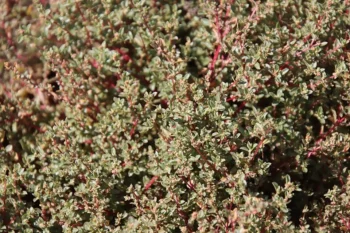
Let’s be honest – Davidson’s saltbush is more function than form. If you’re looking for showy flowers or striking foliage, this probably isn’t your plant. Its aesthetic appeal is subtle at best, with small, grayish-green leaves and tiny, inconspicuous flowers that won’t catch anyone’s eye from across the garden.
Growing Conditions and Care
The good news is that if you decide to grow Davidson’s saltbush, it’s refreshingly low-maintenance. This plant actually prefers the tough conditions that would stress out your typical garden favorites.
Ideal Growing Conditions
- Full sun exposure
- Sandy or well-draining alkaline soils
- Tolerates salt spray and coastal conditions
- USDA hardiness zones 9-11
- Facultative upland status means it usually prefers non-wetland areas
Planting and Care Tips
Since this is an annual, you’ll need to replant each year or let it self-seed (which it does quite readily). Direct sowing seeds in fall typically works best, allowing the plant to establish during cooler months. Once established, it needs minimal water – in fact, too much moisture can actually harm it.
Wildlife and Pollinator Benefits
While Davidson’s saltbush isn’t going to create a pollinator paradise, it does provide some ecological value. As a native species, it supports the local food web and provides habitat for native insects and small wildlife, even if it’s not a major nectar source.
Perfect Garden Situations
Davidson’s saltbush shines in specific garden scenarios:
- Coastal restoration projects
- Erosion control on slopes or disturbed areas
- Native plant gardens focused on authenticity over aesthetics
- Xeriscaped areas with challenging growing conditions
The Bottom Line
Davidson’s saltbush is definitely a niche plant – it’s not going to transform your garden into a showstopper, but it fills an important ecological role. If you’re passionate about native plants, coastal restoration, or need something tough for challenging growing conditions, this little annual might be worth a try. Just manage your expectations and appreciate it for what it is: a hardworking native that keeps the coastal ecosystem running smoothly, one modest season at a time.