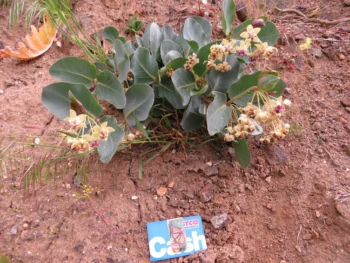
Davis’ Milkweed: A Rare Western Native Worth Knowing About
If you’re a native plant enthusiast always on the hunt for something special, Davis’ milkweed (Asclepias cryptoceras davisii) might just pique your interest. This perennial member of the milkweed family represents one of nature’s more elusive treasures, though don’t expect to find it at your local nursery anytime soon!
What Makes Davis’ Milkweed Special?
Davis’ milkweed is a native perennial that calls the western United States home. Like its more famous milkweed cousins, this plant likely produces the characteristic milky sap that gives the genus its name, along with flowers that attract pollinators and serve as host plants for monarch butterflies and other wildlife.
You might also encounter this plant listed under its scientific synonyms: Asclepias cryptoceras S. Watson var. davisii or Asclepias davisii Woodson. These different names reflect the ongoing botanical discussions about how to classify this particular plant.
Where Does It Grow?
This native milkweed has been documented across six western states: California, Idaho, Nevada, Oregon, Washington, and Wyoming. Its distribution suggests it’s adapted to the varied climates and growing conditions found throughout the western regions of the country.
- Species observed
- No observations
The Reality Check: Why You Probably Won’t Be Growing This One
Here’s where things get interesting (and a bit disappointing for eager gardeners). Davis’ milkweed appears to be extremely rare in cultivation, with very little information available about its specific growing requirements, appearance, or availability. This lack of information suggests it may be:
- A very rare plant in the wild
- Difficult to cultivate
- Poorly documented in horticultural literature
- Possibly better left to botanical specialists and conservation efforts
What We Don’t Know (But Wish We Did)
Unfortunately, specific details about Davis’ milkweed’s growing conditions, mature size, flower characteristics, and garden performance remain largely unknown. This is one of those plants that highlights just how many native species are still waiting to be fully understood and potentially brought into cultivation.
Better Alternatives for Your Garden
While Davis’ milkweed remains a botanical mystery, there are plenty of other native milkweeds that you can successfully grow and enjoy:
- Showy milkweed (Asclepias speciosa) – perfect for western gardens
- Common milkweed (Asclepias syriaca) – the monarch butterfly favorite
- Butterfly weed (Asclepias tuberosa) – drought-tolerant with brilliant orange flowers
- Swamp milkweed (Asclepias incarnata) – ideal for moist areas
The Takeaway
Davis’ milkweed serves as a reminder that our native flora still holds many secrets. While you’re unlikely to find this particular variety for your garden, its existence underscores the incredible diversity within the milkweed family and the importance of conserving our native plant heritage.
If you’re determined to grow native milkweeds (and you should be!), stick with the well-documented species that are readily available from reputable native plant nurseries. Your local pollinators will thank you, and you’ll have much better success with plants whose needs are well understood.
Sometimes the most interesting plants are the ones we can’t have – they remind us that nature still has plenty of mysteries left to solve!