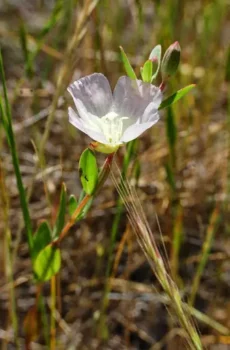
Davy’s Clarkia: A Delicate California Native Worth Growing
If you’re looking to add a touch of delicate beauty to your California native garden, Davy’s clarkia (Clarkia davyi) might just be the perfect choice. This charming annual wildflower brings subtle elegance and important ecological value to gardens throughout the Golden State.
What is Davy’s Clarkia?
Davy’s clarkia is a native California annual forb that belongs to the evening primrose family. As an annual, it completes its entire life cycle in just one growing season, making it a dynamic addition to wildflower displays. This herbaceous plant lacks woody stems and produces delicate four-petaled flowers that dance gracefully in spring breezes.
You might occasionally see this plant listed under its botanical synonym, Godetia quadrivulnera var. davyi, but Clarkia davyi is the accepted current name.
Where Does Davy’s Clarkia Grow?
This beautiful wildflower is endemic to California, meaning it grows naturally nowhere else on Earth. You’ll find it primarily in the Sierra Nevada foothills and Central Valley regions, where it has adapted to the Mediterranean climate and local soil conditions.
- Species observed
- No observations
Why Grow Davy’s Clarkia?
There are several compelling reasons to include this native beauty in your garden:
- Aesthetic Appeal: The small, delicate pink to purple flowers create a soft, romantic look in spring displays
- Pollinator Magnet: Native bees, butterflies, and other beneficial insects rely on these flowers for nectar during their spring blooming period
- Low Maintenance: Once established, this drought-tolerant plant requires minimal care
- Ecological Value: Supporting native wildlife while preserving California’s natural heritage
- Self-Seeding: Will naturalize in suitable conditions, creating sustainable wildflower displays
Important Conservation Note
Davy’s clarkia has a conservation status of S3?, which indicates some level of rarity or uncertainty about its population status. If you choose to grow this plant, please ensure you source seeds or plants from reputable native plant nurseries that use responsibly collected, locally appropriate genetic material. Never collect seeds from wild populations.
Growing Conditions and Care
Davy’s clarkia is surprisingly easy to grow when you match its preferred conditions:
- Sunlight: Thrives in full sun locations
- Soil: Prefers well-draining soils and actually tolerates poor, rocky conditions
- Water: Drought-tolerant once established; avoid overwatering
- Climate: Hardy in USDA zones 8-10, perfect for California’s Mediterranean climate
Planting and Care Tips
Getting Davy’s clarkia established in your garden is straightforward:
- Direct sow seeds in fall or early spring when soil temperatures are cool
- Scatter seeds lightly over prepared soil and rake gently
- Water gently until germination occurs
- Reduce watering frequency as plants establish
- Allow some plants to go to seed for natural reseeding
- No fertilizer needed – this plant prefers lean conditions
Perfect Garden Settings
Davy’s clarkia shines in several landscape applications:
- Native California gardens and restoration projects
- Wildflower meadows and naturalized areas
- Drought-tolerant landscape designs
- Pollinator gardens focused on native species
- Areas where you want seasonal color with minimal maintenance
The Bottom Line
Davy’s clarkia offers California gardeners a wonderful opportunity to support local ecosystems while enjoying delicate spring beauty. Its low-maintenance nature and valuable pollinator benefits make it an excellent choice for sustainable gardening. Just remember to source your plants responsibly and give this special native the well-draining, sunny conditions it craves. Your local pollinators will thank you, and you’ll be playing a part in preserving California’s unique botanical heritage.