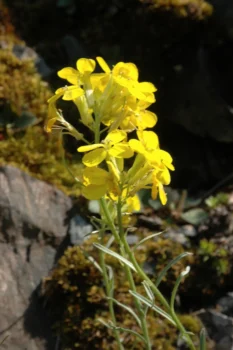
Dawson Wallflower: A Rare Arctic Beauty Worth Protecting
If you’re looking to add a touch of the Arctic wilderness to your northern garden, the Dawson wallflower might just be the hidden gem you’ve been searching for. This charming perennial forb (Erysimum angustatum) brings a piece of Alaska and Canada’s rugged landscape right to your backyard – though with some important considerations we’ll explore.
What Makes Dawson Wallflower Special?
The Dawson wallflower is a true native of the far north, calling Alaska and Canada’s Yukon territory home. As a perennial forb, it’s an herbaceous plant that comes back year after year without developing woody stems, making it a reliable addition to northern gardens that can handle the extreme conditions.
This plant belongs to the mustard family and carries the botanical name Erysimum angustatum, though you might occasionally see it referenced by its synonym Erysimum asperum var. angustatum in older gardening resources.
Where Does It Grow?
The Dawson wallflower has a very limited natural range, growing only in Alaska and the Yukon territory. This narrow distribution is part of what makes it so special – and so vulnerable.
- Species observed
- No observations
A Word of Caution: Rarity Matters
Here’s where things get important: the Dawson wallflower has a Global Conservation Status of S3, which means it’s considered vulnerable. With only an estimated 21 to 100 occurrences in the wild and between 3,000 to 10,000 individual plants total, this isn’t your everyday garden center find.
If you’re interested in growing this rare beauty, please ensure you source it responsibly. Never collect from wild populations, and only purchase from reputable native plant nurseries that can verify their plants were ethically propagated, not wild-collected.
Why Consider Growing Dawson Wallflower?
Despite the challenges, there are compelling reasons to consider this plant:
- Support native biodiversity in northern regions
- Create habitat for local wildlife adapted to these specific plants
- Preserve genetic diversity by growing rare native species
- Add authentic regional character to cold-climate gardens
- Contribute to conservation efforts through responsible cultivation
Growing Conditions and Care
Given its Arctic and sub-Arctic origins, the Dawson wallflower is likely adapted to:
- Extremely cold winters (perfect for northern gardeners!)
- Short growing seasons
- Well-draining soils
- Full sun to partial shade conditions
As with many Arctic natives, it probably prefers lean soils and may struggle in overly rich, heavily fertilized garden beds. Think tough love rather than pampered garden prince.
The Bottom Line
The Dawson wallflower represents something special – a chance to grow a piece of the Arctic in your garden while supporting conservation efforts. However, its rarity means this isn’t a plant to grow casually. If you’re in Alaska or northern Canada and can source it responsibly, it could be a meaningful addition to a native plant garden focused on regional species.
For most gardeners, supporting conservation of this species might mean making a donation to botanical conservation efforts rather than trying to grow it yourself. Sometimes the best way to love a rare plant is to help protect it in its natural habitat.
Remember: every native plant we grow responsibly is a small victory for biodiversity. Just make sure your victory doesn’t come at the expense of wild populations that can’t afford to lose even a single plant.