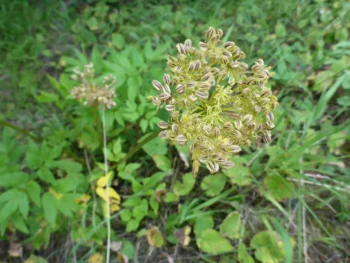
Dawson’s Angelica: A Northwestern Native Worth Getting to Know
If you’re looking to add some wild beauty to your garden while supporting local wildlife, let me introduce you to Dawson’s angelica (Angelica dawsonii). This charming northwestern native might not be as famous as its cousins in the carrot family, but it’s got plenty to offer the thoughtful gardener.
What Is Dawson’s Angelica?
Dawson’s angelica is a perennial forb – that’s garden-speak for a non-woody plant that comes back year after year. Unlike shrubs or trees, this beauty puts all its energy into lush foliage and spectacular flowers rather than building up woody stems. It’s perfectly content to live its life as an herbaceous perennial, dying back to the ground each winter and emerging fresh each spring.
Where Does It Call Home?
This plant is a true child of the Pacific Northwest and northern Rockies. You’ll find Dawson’s angelica growing wild across Alberta and British Columbia in Canada, and down into Idaho and Montana in the United States. It’s adapted to the cool, moist conditions that make this region so green and gorgeous.
- Species observed
- No observations
Why Gardeners Love (or Should Love) This Plant
There are several compelling reasons to consider adding Dawson’s angelica to your garden:
- Native credentials: As a true native, it’s perfectly adapted to local conditions and supports regional ecosystems
- Pollinator magnet: The umbrella-like flower clusters (called umbels) are irresistible to bees, beneficial insects, and other pollinators
- Low maintenance: Once established, native plants typically require less water, fertilizer, and fussing than non-natives
- Unique beauty: The architectural flower heads and attractive compound leaves add texture and interest to naturalistic plantings
Perfect Garden Situations
Dawson’s angelica isn’t a plant for every garden situation, but when you’ve got the right spot, it really shines. Consider it for:
- Woodland gardens: It loves the dappled light and rich, moist soil found under trees
- Native plant gardens: A natural choice for showcasing regional flora
- Rain gardens: Its facultative wetland status means it can handle periodic flooding
- Naturalistic borders: Perfect for creating that wild look in cultivated spaces
Growing Conditions and Care
Here’s where Dawson’s angelica can be a bit particular – it’s definitely a moisture-lover. This plant thrives in:
- Soil: Consistently moist to occasionally wet soils with good organic content
- Light: Partial shade to full sun (though some afternoon shade is appreciated in hotter climates)
- Climate: Cool, moist conditions typical of USDA zones 3-7
- Water: Regular irrigation during dry spells is essential
Planting and Care Tips
Getting Dawson’s angelica established successfully requires attention to its moisture needs:
- Plant in spring after the last frost, when soil is workable
- Amend heavy clay or sandy soils with compost to improve moisture retention
- Mulch around plants to keep roots cool and soil consistently moist
- Water regularly during the first growing season to establish deep roots
- Allow plants to self-seed if you want more – they often know the best spots!
The Bottom Line
Dawson’s angelica isn’t the right choice for every gardener or every garden. If you’re dealing with hot, dry conditions or prefer low-water plants, you might want to look elsewhere. But if you’ve got a spot with reliable moisture and want to support local pollinators while adding some authentic northwestern character to your landscape, this native beauty could be exactly what you’re looking for.
Just remember: like many of our native plants, Dawson’s angelica has specific needs. Meet those needs, and you’ll be rewarded with a plant that’s both beautiful and beneficial to your local ecosystem.