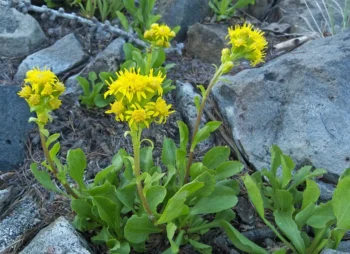
Deam’s Goldenrod: A Rare Indiana Native Worth Protecting
Meet Deam’s goldenrod (Solidago deamii), one of Indiana’s most precious botanical treasures! This perennial wildflower might not be a household name, but it’s got a story that’ll make any native plant enthusiast’s heart skip a beat. Named after botanist Charles Clemon Deam, this golden beauty is as rare as it is gorgeous.
What Makes Deam’s Goldenrod Special
Deam’s goldenrod is what botanists call a forb – basically a non-woody flowering plant that comes back year after year. Like its goldenrod cousins, it produces those cheerful clusters of tiny yellow flowers that light up the landscape in late summer and fall. But here’s where things get interesting: this particular goldenrod is found nowhere else in the world except Indiana!
A True Indiana Original
This remarkable plant is endemic to Indiana, meaning it’s a true Hoosier through and through. Its entire natural range is contained within the state’s borders, making it one of Indiana’s most geographically restricted native plants. Talk about local pride! However, this limited distribution also means we need to be extra careful about protecting it.
- Species observed
- No observations
Why You Should (Carefully) Consider This Plant
Before we dive into growing tips, let’s address the elephant in the room: Deam’s goldenrod has a Global Conservation Status of S2Q, which indicates it’s quite rare and potentially vulnerable. This means if you’re thinking about adding this beauty to your garden, you’ll want to make sure you’re getting it from responsibly sourced material – never dig it up from the wild!
Here’s why this plant might be perfect for your native garden:
- Supports local pollinators with late-season nectar
- Adds authentic Indiana character to your landscape
- Requires minimal maintenance once established
- Contributes to conservation efforts when grown responsibly
- Creates stunning fall displays with bright yellow blooms
Growing Deam’s Goldenrod Successfully
Like most goldenrods, Deam’s goldenrod is surprisingly easy-going once you understand its needs. This hardy perennial thrives in full sun and well-drained soils, making it perfect for prairie gardens, native plant borders, or naturalized areas.
The plant typically grows 2-4 feet tall and spreads slowly through underground rhizomes, eventually forming small colonies. It’s drought-tolerant once established and can handle Indiana’s variable weather like a champ.
Planting and Care Tips
- Plant in full sun for best flowering
- Ensure good drainage – soggy soils are its enemy
- Space plants 18-24 inches apart
- Water regularly the first year, then let nature take over
- Divide clumps every 3-4 years to maintain vigor
- Leave seed heads standing through winter for wildlife
Perfect Partners and Garden Roles
Deam’s goldenrod plays beautifully with other Indiana natives like wild bergamot, purple coneflower, and little bluestem grass. It’s ideal for prairie gardens, pollinator plots, and any landscape design that celebrates local flora. The late-summer blooms provide crucial nectar when many other flowers have finished for the season.
A Word About Conservation
Growing Deam’s goldenrod in your garden isn’t just about beauty – it’s about conservation. By cultivating this rare plant responsibly, you’re helping preserve Indiana’s botanical heritage. Just remember: always purchase from reputable native plant nurseries that propagate their own stock. Never collect from wild populations!
If you can’t find Deam’s goldenrod from ethical sources, consider other Indiana native goldenrods like stiff goldenrod (Solidago rigida) or showy goldenrod (Solidago speciosa) that offer similar benefits without conservation concerns.
The Bottom Line
Deam’s goldenrod is a botanical gem that deserves a place in Indiana gardens – but only when grown responsibly. Its rarity makes it extra special, and its pollinator benefits make it extra valuable. If you can source it ethically, this native beauty will reward you with years of golden blooms and the satisfaction of knowing you’re helping preserve a piece of Indiana’s natural heritage.