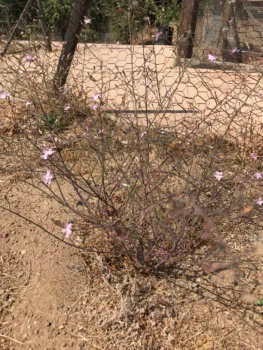
Deane’s Wirelettuce: A Rare California Native Worth Protecting
If you’re passionate about native plants and conservation, you may have encountered the intriguing Deane’s wirelettuce (Stephanomeria exigua deanei). This delicate California endemic represents both the beauty and fragility of our native plant heritage, making it a species that deserves our attention and respect.
What Makes Deane’s Wirelettuce Special?
Deane’s wirelettuce is a subspecies of the small wirelettuce, scientifically known as Stephanomeria exigua deanei. This charming native belongs to the sunflower family and showcases the subtle elegance that makes California’s flora so remarkable. As an herbaceous forb, it lacks woody stems but compensates with its graceful, wire-like appearance that gives the plant its common name.
What truly sets this plant apart is its rarity. With a Global Conservation Status of S5T2T4, Deane’s wirelettuce faces conservation challenges that make it a precious addition to California’s botanical diversity.
Where Does It Call Home?
This specialized native plant calls California home, representing the Golden State’s incredible plant endemism. Its limited geographic distribution makes it a true California treasure, evolved to thrive in the unique conditions found within the state’s diverse ecosystems.
- Species observed
- No observations
Should You Grow Deane’s Wirelettuce?
Here’s where we need to have an important conversation. While Deane’s wirelettuce would make a fascinating addition to any native plant enthusiast’s garden, its rarity status means we must approach cultivation thoughtfully and responsibly.
The Conservation Consideration
Given its conservation status, if you’re interested in growing Deane’s wirelettuce, please ensure you source it responsibly. This means:
- Only purchasing from reputable native plant nurseries that propagate ethically
- Never collecting seeds or plants from wild populations
- Supporting conservation efforts for this species
- Considering growing the more common Stephanomeria exigua as an alternative
Growing Conditions and Care
While specific cultivation information for Deane’s wirelettuce is limited, we can draw from knowledge of related wirelettuce species to provide general guidance:
Preferred Growing Conditions
- Full sun exposure
- Well-draining soil
- California’s Mediterranean climate zones
- Minimal water once established
As a forb that can be annual, biennial, or perennial, this plant offers flexibility in the garden while maintaining its wild character. Its delicate, wire-like stems create an airy texture that works beautifully in naturalistic plantings.
Garden Design and Landscape Role
If you’re fortunate enough to grow Deane’s wirelettuce responsibly, it shines in:
- Native plant gardens focused on California endemics
- Restoration projects (with proper permits and sourcing)
- Educational gardens highlighting rare species
- Naturalistic landscapes that celebrate local biodiversity
Its subtle beauty works well as part of a community of native plants rather than as a standalone specimen, mimicking how it would naturally occur in the wild.
Supporting Pollinators and Wildlife
While specific pollinator data for Deane’s wirelettuce isn’t readily available, plants in the Stephanomeria genus typically support native bees, butterflies, and other pollinators. By choosing to grow rare natives like this one (responsibly sourced, of course), you’re contributing to the preservation of plant-pollinator relationships that have evolved over thousands of years.
The Bottom Line
Deane’s wirelettuce represents both an opportunity and a responsibility. While its rarity makes it a special addition to conservation-minded gardens, it also reminds us of the importance of protecting California’s unique flora. If you choose to grow this remarkable native, do so with respect for its conservation status and commitment to responsible gardening practices.
Remember, sometimes the most beautiful way to appreciate a rare plant is to support its conservation in the wild while growing more common relatives in our gardens. Either way, you’re participating in the vital work of preserving California’s incredible native plant heritage.