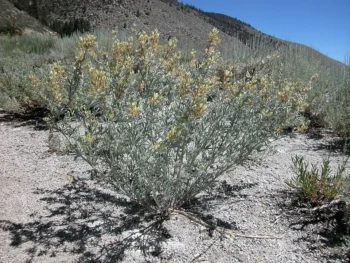
Dedecker Lupine: A Rare California Treasure Worth Protecting
Meet the Dedecker lupine (Lupinus padrecrowleyi), one of California’s most precious and elusive native wildflowers. This isn’t your typical garden center find – it’s a botanical treasure that exists in just a handful of locations in the Golden State. If you’re lucky enough to encounter this rare beauty, you’re witnessing something truly special.
What Makes Dedecker Lupine So Special?
The Dedecker lupine is a perennial forb that belongs to the beloved lupine family. Unlike its more common cousins that you might find scattered across meadows, this particular species is what botanists call imperiled. With a Global Conservation Status of S2, there are typically only 6 to 20 known occurrences of this plant in the wild, making it extremely vulnerable to extinction.
You might also see this plant listed under its synonym, Lupinus dedeckerae, but regardless of the name on the label, you’re looking at the same remarkable species.
Where Does It Call Home?
Dedecker lupine is a California endemic, meaning it exists nowhere else on Earth. This exclusive native grows only in the lower 48 states, specifically within California’s borders. Its extremely limited range makes every single plant precious to the state’s natural heritage.
- Species observed
- No observations
A Plant That Bridges Two Worlds
What’s fascinating about Dedecker lupine is its adaptability to different moisture conditions. In both the Arid West and Western Mountains regions, it holds a Facultative Upland status. This means while it usually prefers non-wetland areas, it can occasionally pop up in wetter spots – a trait that speaks to its resilience despite its rarity.
Should You Grow Dedecker Lupine?
Here’s where things get both exciting and sobering. If you’re passionate about conservation and native plant gardening, growing Dedecker lupine could be incredibly rewarding. However – and this is a big however – you must be extremely careful about sourcing.
Important Conservation Note: Due to its imperiled status, you should only plant Dedecker lupine if you can obtain seeds or plants from responsible, ethical sources that don’t impact wild populations. Never collect from the wild, and always verify that any commercial source follows proper conservation protocols.
The Growing Challenge
Let’s be honest – Dedecker lupine isn’t for beginner gardeners. As a rare species adapted to very specific conditions, it can be finicky about its growing requirements. While specific cultivation details are limited due to its rarity, most lupines prefer:
- Well-draining soil
- Full sun to partial shade
- Minimal summer water once established
- Good air circulation
Like other lupines, it likely supports pollinators such as bees, making it a valuable addition to wildlife-supporting gardens when grown successfully.
A Garden with Purpose
If you do choose to grow Dedecker lupine, you’re not just adding a plant to your garden – you’re participating in conservation. This species would be perfect for:
- Native plant collections
- Conservation gardens
- Educational landscapes
- Rock or alpine-style gardens
The Bottom Line
Dedecker lupine represents both the beauty and fragility of California’s native flora. While it’s not a plant for every garden or every gardener, those who take on the challenge of growing this rare species become stewards of California’s natural heritage. Just remember – with great botanical privilege comes great responsibility. Always source ethically, grow mindfully, and appreciate the rare opportunity to nurture one of nature’s most precious gems.
If you’re new to native gardening or looking for easier lupine alternatives, consider starting with more common California lupines like Lupinus succulentus or Lupinus nanus. Once you’ve mastered those, you might be ready to take on the rewarding challenge of growing the remarkable Dedecker lupine.