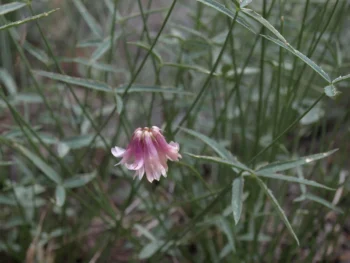
Dedecker’s Clover: A Rare California Native Worth Protecting
If you’ve stumbled across Dedecker’s clover (Trifolium dedeckerae) in your native plant research, you’ve discovered one of California’s botanical treasures. This isn’t your typical backyard clover – it’s a rare perennial that deserves our respect and protection rather than our garden beds.
What Makes Dedecker’s Clover Special?
Dedecker’s clover is a California native that belongs to the forb family – essentially a non-woody flowering plant that comes back year after year. Like other members of the clover family, it’s likely a nitrogen-fixing plant that enriches the soil around it. However, what sets this species apart isn’t just its botanical characteristics, but its rarity.
A Plant on the Edge
Here’s where things get serious: Dedecker’s clover has a Global Conservation Status of S2, which translates to Imperiled. This means the species is extremely rare and vulnerable to extinction, with typically only 6 to 20 known populations and fewer than 1,000 to 3,000 individuals remaining in the wild.
This little clover is found exclusively in California, making it what botanists call an endemic species. When a plant is this rare and geographically limited, every individual matters for the species’ survival.
- Species observed
- No observations
Should You Grow Dedecker’s Clover?
While the conservation-minded gardener in you might want to help by growing this rare beauty, the reality is more complex. Here’s what you need to know:
- Availability: Due to its rarity, Dedecker’s clover is unlikely to be available through typical nursery channels
- Ethics: Removing plants or seeds from wild populations could harm already vulnerable communities
- Growing requirements: Little is documented about its specific cultivation needs, making successful home growing challenging
- Legal considerations: Rare plants may be protected by state or federal regulations
Better Alternatives for Your Garden
Instead of trying to grow this rare species, consider these more common California native clovers and related plants:
- White-tip clover (Trifolium variegatum): Another California native that’s more widely distributed
- Tomcat clover (Trifolium willdenovii): A beautiful purple-flowered native option
- Creek clover (Trifolium bifidum): Perfect for moist areas in your native garden
How You Can Help
While you might not be able to grow Dedecker’s clover in your garden, you can still support its conservation:
- Support organizations working on California native plant conservation
- Choose other native plants for your garden to support local ecosystems
- Participate in citizen science projects that monitor rare plant populations
- Advocate for habitat protection in areas where rare plants are found
The Bigger Picture
Dedecker’s clover reminds us that not every native plant is meant for cultivation. Sometimes the best thing we can do for a species is to leave it undisturbed in its natural habitat while we focus our gardening efforts on more common natives that can thrive in our home landscapes.
By choosing abundant native species for our gardens and supporting conservation efforts for rare ones like Dedecker’s clover, we can create a more sustainable relationship with our local flora. After all, every garden is an opportunity to support biodiversity – we just need to choose the right plants for the job.