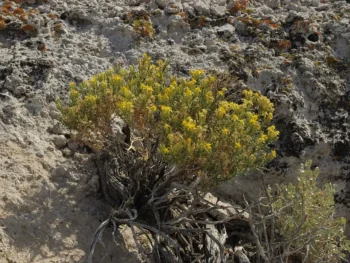
Deer Goldenbush: A Resilient Native Shrub for Water-Wise Gardens
If you’re looking for a tough-as-nails native shrub that can handle whatever Mother Nature throws at it, meet deer goldenbush (Ericameria cervina). This unassuming little powerhouse might just become your new favorite garden companion, especially if you’re tired of babying high-maintenance plants that wilt at the first sign of drought.
What is Deer Goldenbush?
Deer goldenbush is a perennial shrub native to the southwestern United States. Also known by its scientific name Ericameria cervina, this hardy plant was previously classified as Haplopappus cervinus. Don’t let the deer in its name fool you – this isn’t deer food, but rather a reference to its natural habitat where deer roam.
As a true shrub, deer goldenbush typically grows as a multi-stemmed woody plant, usually staying under 13-16 feet in height, though most garden specimens remain much more compact and manageable.
Where Does Deer Goldenbush Call Home?
This resilient native plant calls Arizona, Nevada, and Utah home, thriving in the challenging conditions of the American Southwest. It’s perfectly adapted to the region’s hot summers, cold winters, and limited rainfall – qualities that make it an absolute gem for gardeners in these areas.
- Species observed
- No observations
Why Your Garden Will Love Deer Goldenbush
There are plenty of reasons to fall for this understated beauty:
- Drought Champion: Once established, deer goldenbush laughs in the face of dry spells, making it perfect for water-wise landscaping
- Late-Season Star: When most plants are calling it quits for the year, this shrub bursts into bloom with cheerful yellow daisy-like flowers
- Pollinator Magnet: Bees, butterflies, and other beneficial insects flock to its nectar-rich blooms
- Low Maintenance: Set it and (mostly) forget it – this plant doesn’t demand constant attention
- Year-Round Interest: Silvery-green foliage provides attractive structure even when not in bloom
Perfect Garden Scenarios
Deer goldenbush shines brightest in:
- Xeriscaped yards where water conservation is key
- Rock gardens that need a pop of late-season color
- Native plant gardens celebrating regional flora
- Naturalized areas that mimic wild southwestern landscapes
- Slopes and challenging sites where other plants struggle
Growing Conditions That Make It Happy
Deer goldenbush isn’t picky, but it does have preferences:
- Sunlight: Full sun is where it truly thrives
- Soil: Well-draining soil is non-negotiable – it won’t tolerate soggy feet
- pH: Alkaline soils are preferred, fitting perfectly with southwestern soil conditions
- Water: Drought tolerant once established, minimal supplemental watering needed
- Climate: Hardy in USDA zones 4-8, handling both cold winters and hot summers
Planting and Care Made Simple
Getting deer goldenbush established in your garden is refreshingly straightforward:
Planting: Choose a sunny spot with excellent drainage. If your soil tends to hold water, consider planting on a slope or amending with gravel or sand. Plant in spring or fall for best establishment.
Watering: Water regularly the first growing season to help roots establish, then back off significantly. This plant actually performs better with benign neglect once settled.
Maintenance: Minimal pruning needed – just remove spent flowers after blooming if desired, though leaving seed heads provides winter interest and food for birds.
Conservation Considerations
Deer goldenbush has a Global Conservation Status of S3?, indicating some uncertainty about its population status. While this doesn’t mean it’s critically endangered, it’s always wise to source plants from reputable nurseries that propagate rather than wild-collect their stock.
The Bottom Line
If you garden in the Southwest and appreciate plants that earn their keep without constant fussing, deer goldenbush deserves a spot in your landscape. It’s a perfect example of how native plants can be both beautiful and practical, supporting local ecosystems while requiring minimal resources from you. Plus, there’s something deeply satisfying about growing a plant that’s perfectly suited to your local environment – it just feels right.
So go ahead, give deer goldenbush a try. Your water bill, the local pollinators, and your gardening sanity will thank you.