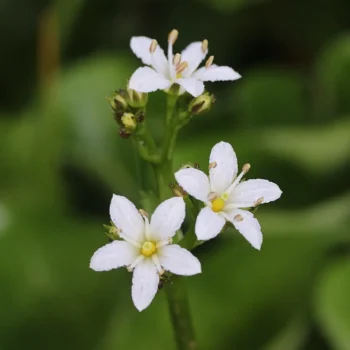
Deercabbage: A Hidden Gem for Your Bog Garden
If you’ve ever wandered through the misty wetlands of the Pacific Northwest and stumbled upon a charming little plant with kidney-shaped leaves and delicate white flowers, you might have discovered deercabbage (Nephrophyllidium cristagalli). This unassuming native perennial is one of those special plants that most gardeners have never heard of, but once you know about it, you’ll wonder why it isn’t more popular.
What Exactly Is Deercabbage?
Don’t let the name fool you – deercabbage isn’t related to regular cabbage at all! This perennial forb belongs to a completely different plant family and gets its quirky common name from its broad, rounded leaves that supposedly resemble deer food (though we can’t confirm any deer taste-testing studies). You might also see it listed under its botanical synonym, Fauria crista-galli, in older gardening references.
As a native North American plant, deercabbage has made its home across an impressive range, from the wilds of Alaska down through British Columbia and into the Pacific states of Washington and Oregon. This hardy little plant has adapted to some pretty challenging environments, which makes it a fascinating addition to the right garden setting.
- Species observed
- No observations
Why Your Garden Might Love Deercabbage
Here’s where deercabbage gets really interesting – it’s what botanists call an obligate wetland plant. That’s fancy talk for saying this plant absolutely, positively needs wet feet to thrive. If you’ve been struggling with that boggy corner of your yard where nothing seems to grow, deercabbage might just be your answer!
This low-growing perennial produces clusters of small white flowers that may look modest, but they’re perfectly designed to attract the kinds of pollinators that love wetland environments – think small flies and other moisture-loving insects that play crucial roles in bog ecosystems.
Is Deercabbage Right for Your Garden?
Let’s be honest – deercabbage isn’t for everyone. This plant has very specific needs, and trying to grow it in the wrong conditions is a recipe for disappointment. Here’s what you need to know:
- Perfect for bog gardens: If you’re creating a bog garden or rain garden, deercabbage is an authentic native choice
- Wetland restoration projects: This plant shines in naturalistic settings where you’re trying to recreate native wetland habitats
- Challenging wet spots: That area where water collects and won’t drain? Deercabbage might actually enjoy it there
- Shade tolerance: Unlike many flowering plants, deercabbage actually prefers partial to full shade
Growing Deercabbage Successfully
If you’re ready to try growing this unique native, here’s what you need to know:
Climate Requirements: Deercabbage is remarkably hardy, thriving in USDA zones 3-7. This makes sense when you consider it grows naturally in places like Alaska!
Soil and Water Needs: This is where things get specific. Deercabbage needs consistently moist to saturated soil – we’re talking bog-like conditions. The soil should be acidic and rich in organic matter. If you don’t have naturally boggy conditions, you might need to create them with a rain garden setup or specialized bog garden.
Light Requirements: While many flowering plants crave sunshine, deercabbage prefers the dappled light of partial shade to full shade conditions. This makes it perfect for those tricky shaded wet areas where other plants struggle.
Planting Tips: Spring is the best time to establish deercabbage. Since this plant has specialized needs, you’ll likely need to source it from native plant nurseries or specialty wetland plant suppliers. Don’t expect to find it at your typical garden center!
The Bottom Line
Deercabbage definitely falls into the specialty plant category. If you have the right conditions – consistently wet, shaded, acidic soil – and you’re interested in growing authentic native plants, it can be a rewarding addition to your garden. It’s particularly valuable for anyone working on wetland restoration projects or creating habitat for native wildlife.
However, if you’re looking for a low-maintenance perennial for typical garden beds, you’ll probably want to look elsewhere. Deercabbage’s beauty lies in its authenticity and its role in native ecosystems, rather than showy garden appeal.
For gardeners passionate about native plants and willing to create the specialized conditions this plant needs, deercabbage offers a chance to grow something truly unique – a little piece of Pacific Northwest wetland right in your own backyard.