Deergrass: The Southwestern Native That’s Perfect for Water-Wise Gardens
If you’re looking for a gorgeous, low-maintenance grass that thrives in dry conditions and supports local wildlife, let me introduce you to deergrass (Muhlenbergia rigens). This southwestern beauty is quickly becoming a favorite among gardeners who want to create stunning landscapes without constantly battling their water bills.
What Makes Deergrass Special?
Deergrass is a true native treasure, naturally occurring across Arizona, California, Nevada, New Mexico, and Texas. As a perennial bunch grass, it forms attractive clumps that can reach up to 4.5 feet tall, creating dramatic focal points in any landscape design. The fine-textured, green foliage provides a lovely contrast to broader-leafed plants, while its erect, graceful form adds vertical interest to garden beds.
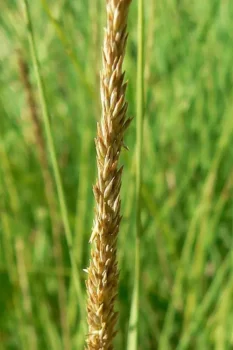
During late spring, deergrass produces delicate yellow flowers that may not be showy from a distance, but up close they add a subtle charm. The real magic happens when the brown seed heads appear in summer, creating an airy, almost ethereal quality that catches light beautifully and provides gentle movement in the breeze.
Where Does Deergrass Grow?
This hardy native spans across the American Southwest, thriving in the diverse landscapes of Arizona, California, Nevada, New Mexico, and Texas. It’s perfectly adapted to the challenging conditions of these regions, from desert valleys to mountain slopes.
- Species observed
- No observations
Why Choose Deergrass for Your Garden?
Here’s where deergrass really shines – it’s practically made for water-wise gardening:
- Extremely drought tolerant: Once established, it needs very little supplemental water
- Low maintenance: Moderate growth rate means less frequent trimming
- Fire resistant: High fire tolerance makes it suitable for wildfire-prone areas
- Long-lived: This perennial will be a reliable garden companion for years
- Wildlife friendly: Provides seeds for birds and habitat for beneficial insects
Perfect Garden Settings
Deergrass works beautifully in several landscape styles:
- Xeriscape gardens: Its low water needs make it ideal for drought-resistant landscapes
- Native plant gardens: Provides authentic regional character
- Modern landscapes: The clean, architectural form fits contemporary design
- Erosion control: Those 14-inch minimum roots help stabilize slopes
- Wildlife gardens: Seeds support birds and small mammals
Growing Conditions That Make Deergrass Happy
One of the best things about deergrass is how adaptable it is, but it does have some preferences:
- Soil: Thrives in coarse to medium-textured soils; avoid heavy clay
- pH: Comfortable in slightly acidic to neutral soils (5.5-7.5)
- Water: Low moisture requirements (10-18 inches annually)
- Sun: Intermediate shade tolerance, but performs best in full sun
- Temperature: Hardy to 23°F, needs at least 334 frost-free days
USDA Hardiness Zones
Deergrass is suitable for USDA hardiness zones 8-11, making it perfect for most of the southwestern United States and other warm, dry climates.
Planting and Care Tips
Getting deergrass established is surprisingly straightforward:
- When to plant: Fall is ideal for establishment before summer heat
- Starting from seed: With 1.2 million seeds per pound, a little goes a long way
- Spacing: Allow room for mature clumps to reach their full 4.5-foot height
- Watering: Deep, infrequent watering once established
- Fertilizer: Low fertility requirements – often thrives without any amendments
- Pruning: Cut back in late winter before spring growth begins
A Note About Water Tolerance
Interestingly, deergrass has different moisture tolerances depending on your region. In the Arid West, it can handle some wetland conditions, while in other areas it strongly prefers well-drained, upland sites. This flexibility makes it even more valuable for diverse landscape applications.
The Bottom Line
Deergrass offers the perfect combination of beauty, resilience, and ecological value. Whether you’re creating a water-wise landscape, adding texture to a contemporary design, or supporting local wildlife, this native grass delivers on all fronts. Plus, with its commercial availability and relatively easy propagation from seed, there’s no reason not to give this southwestern gem a try in your garden.
Ready to embrace the beauty of native plants? Deergrass might just be the perfect place to start your journey toward a more sustainable, wildlife-friendly landscape.