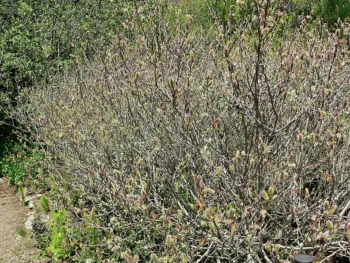
Del Norte Willow: A Native Treasure for Water-Loving Gardens
If you’re looking for a native shrub that thrives in wet spots where other plants struggle, meet the Del Norte willow (Salix delnortensis). This charming Pacific Northwest native might just be the solution to your soggy soil problems – and your local wildlife will thank you for it!
What Is Del Norte Willow?
Del Norte willow is a perennial shrub native to the lower 48 states, specifically thriving in California and Oregon. This multi-stemmed woody plant typically grows 13 to 16 feet tall, though it can sometimes reach greater heights or remain single-stemmed depending on growing conditions. You might also see it listed under its scientific synonym, Salix breweri var. delnortensis, in older botanical references.
This willow calls the mountainous regions of Northern California and southwestern Oregon home, where it naturally grows along streams, in wet meadows, and other moisture-rich environments.
- Species observed
- No observations
Why Plant Del Norte Willow in Your Garden?
There are several compelling reasons to consider this native willow for your landscape:
- Pollinator magnet: Early spring catkins provide crucial nectar and pollen when few other plants are blooming
- Wildlife habitat: Native willows support numerous bird species and beneficial insects
- Erosion control: Excellent for stabilizing banks and slopes with its robust root system
- Seasonal interest: Attractive catkins in spring followed by lovely yellow fall foliage
- Water-wise choice: Perfect for rain gardens and areas with seasonal flooding
Where Does Del Norte Willow Fit in Your Landscape?
This versatile shrub shines in several garden settings:
- Riparian buffers: Ideal for areas near streams, ponds, or drainage swales
- Native plant gardens: Pairs beautifully with other Pacific Northwest natives
- Rain gardens: Handles both wet and moderately dry periods with grace
- Naturalized areas: Creates authentic habitat in less formal landscape zones
- Restoration projects: Excellent choice for ecological restoration efforts
Growing Conditions and Care
Del Norte willow is wonderfully adaptable to wet conditions, with different wetland classifications depending on your region. In the Arid West, it’s considered facultative (growing in both wet and dry areas), while in the Western Mountains, Valleys, and Coast regions, it’s classified as facultative wetland (usually preferring wet conditions but tolerating some dryness).
Ideal growing conditions include:
- Sunlight: Full sun to partial shade
- Soil: Moist to wet soils, tolerates seasonal flooding
- Hardiness: Thrives in USDA zones 7-9
- Water: Consistent moisture preferred, though established plants show some drought tolerance
Planting and Care Tips
Getting your Del Norte willow established is relatively straightforward:
- Timing: Plant in spring after the last frost for best establishment
- Location: Choose a spot that stays moist or receives regular irrigation
- Spacing: Allow 6-8 feet between plants for mature spread
- Mulching: Apply organic mulch to retain soil moisture
- Pruning: Minimal pruning needed; remove dead or damaged branches in late winter
- Maintenance: Once established, this low-maintenance shrub largely takes care of itself
The Bottom Line
Del Norte willow is an excellent choice for gardeners wanting to support native ecosystems while solving wet soil challenges. Its early spring blooms feed hungry pollinators, its foliage provides habitat for wildlife, and its roots help prevent erosion – all while adding natural beauty to your landscape. If you have a spot that stays moist or floods seasonally, this Pacific Northwest native could be exactly what you’re looking for.
Remember to source your plants responsibly from reputable native plant nurseries to ensure you’re getting true Del Norte willow and supporting ethical propagation practices. Your local wildlife – from bees to birds – will appreciate this thoughtful addition to your garden!