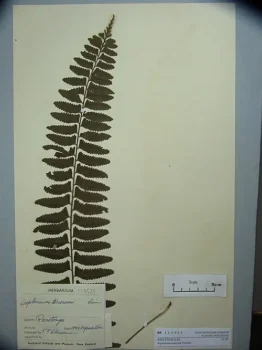
Delicate Spleenwort: A Rare Pacific Island Fern Worth Knowing
Meet the delicate spleenwort (Asplenium tenerum), a charming little fern that’s as graceful as its name suggests. This perennial beauty hails from some of the most remote corners of the Pacific, and while you might not encounter it in your local garden center, it’s worth understanding what makes this plant special.
Where Does Delicate Spleenwort Come From?
This native gem calls the Pacific Basin home, specifically thriving in Guam and Palau. It’s a true island dweller, perfectly adapted to the unique tropical conditions of these Pacific territories. As a native species to this region, it plays an important ecological role in its natural habitat.
- Species observed
- No observations
What Does It Look Like?
True to its common name, the delicate spleenwort is all about subtle elegance. This fern produces fine, feathery fronds that create a soft, textured appearance in the landscape. Its delicate nature makes it a standout among the often bold and dramatic tropical plants that share its native habitat.
Is This Fern Right for Your Garden?
Here’s the reality check: unless you’re gardening in USDA hardiness zones 10-11 (think southern Florida, Hawaii, or similar tropical climates), this particular fern isn’t going to thrive in your outdoor garden. It’s specifically adapted to warm, humid tropical conditions year-round.
However, if you do live in a suitable climate, the delicate spleenwort can be a wonderful addition to:
- Shaded tropical gardens
- Naturalistic landscape designs
- Understory plantings beneath larger tropical plants
- Areas where you want to add fine texture and delicate foliage
Growing Conditions and Care
If you’re lucky enough to garden in the right climate zone, here’s what delicate spleenwort needs to flourish:
- Light: Shade to partial shade – direct tropical sun is too intense
- Soil: Moist, well-draining soil that doesn’t get waterlogged
- Humidity: High humidity levels (which tropical climates naturally provide)
- Temperature: Consistent warmth – no tolerance for cold snaps
Wildlife and Pollinator Benefits
As a fern, delicate spleenwort doesn’t produce flowers, so it won’t attract pollinators like bees and butterflies. However, ferns do provide other ecological benefits in their native habitats, including shelter for small creatures and contributing to the overall biodiversity of tropical ecosystems.
For Most Gardeners: Appreciate from Afar
Unless you’re gardening in Guam, Palau, or a similar tropical climate, you’ll want to admire this fern’s beauty from afar rather than attempt to grow it. Instead, consider these alternatives that might work better in your climate:
- For temperate shade gardens: Christmas fern or lady fern
- For subtropical areas: Boston fern or sword fern
- For indoor growing: bird’s nest fern or maidenhair fern
The delicate spleenwort serves as a beautiful reminder of the incredible diversity of plant life in our Pacific island ecosystems. While it may not be the right fit for most home gardens, understanding and appreciating these specialized native plants helps us better understand the intricate relationships between plants and their environments.