Delicious Raspberry: A Rocky Mountain Native Worth Growing
If you’re looking for a low-maintenance native plant that offers both beauty and wildlife value, meet the delicious raspberry (Rubus deliciosus). Don’t let the name fool you – while this charming subshrub does produce small berries, it’s primarily grown for its stunning white flowers and easy-going nature rather than its fruit production.
What Makes Delicious Raspberry Special?
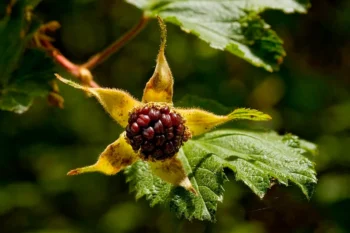
This delightful native belongs to the rose family and brings a touch of wild elegance to any garden. In late spring and early summer, it produces gorgeous white flowers that can reach 2-3 inches across – quite impressive for such a compact plant! The flowers are followed by small red to purple berries that, while edible, are more of a bonus feature than the main attraction.
As a true subshrub, delicious raspberry stays refreshingly manageable, typically growing under 1.5 feet tall and never exceeding 3 feet at maturity. Its graceful arching branches and attractive palmately lobed leaves create a naturally pleasing form that works beautifully in various landscape settings.
Where Does It Call Home?
Delicious raspberry is a proud native of the Rocky Mountain region, naturally occurring in Colorado, New Mexico, Oklahoma, and Wyoming. In the wild, you’ll find it thriving in montane and subalpine zones, which gives you a clue about its hardy, adaptable nature.
- Species observed
- No observations
Why Gardeners Love This Native
There are plenty of reasons to consider adding delicious raspberry to your landscape:
- Native plant benefits: Supporting local ecosystems while requiring minimal resources
- Pollinator magnet: Those showy white flowers attract bees, butterflies, and other beneficial insects
- Low maintenance: Once established, it’s remarkably drought tolerant and self-sufficient
- Versatile design element: Perfect for rock gardens, native plant gardens, naturalized areas, or as attractive groundcover
- Four-season interest: Spring flowers, summer berries, and attractive foliage throughout the growing season
Perfect Garden Settings
Delicious raspberry shines in several garden styles:
- Native plant gardens where it can mingle with other Rocky Mountain natives
- Xeriscape landscapes that celebrate water-wise gardening
- Rock gardens where its compact size and mountain heritage feel at home
- Naturalized areas that mimic wild mountain meadows
- Low borders or groundcover applications
Growing Conditions and Care
One of the best things about delicious raspberry is how easygoing it is. Hardy in USDA zones 4-8, this mountain native adapts well to various conditions:
Light: Thrives in full sun but tolerates partial shade
Soil: Prefers well-draining soils but tolerates poor conditions
Water: Drought tolerant once established, though regular watering the first year helps establishment
Maintenance: Minimal – just occasional pruning to maintain shape if desired
Planting and Establishment Tips
Getting your delicious raspberry off to a good start is straightforward:
- Plant in spring after the last frost for best establishment
- Water regularly during the first growing season to help roots establish
- Mulch around the base to conserve moisture and suppress weeds
- Be patient – like many natives, it may take a season or two to really take off
- Keep in mind that it can spread via underground runners, which is great for natural groundcover but something to consider in formal gardens
The Bottom Line
Delicious raspberry offers the perfect combination of native plant benefits, low maintenance requirements, and genuine beauty. While you might not harvest bowls of berries from this plant, you’ll gain something even more valuable – a resilient, wildlife-friendly native that connects your garden to the natural heritage of the Rocky Mountains. For gardeners in its native range or those in similar climates, it’s definitely worth considering as a charming addition to the landscape.