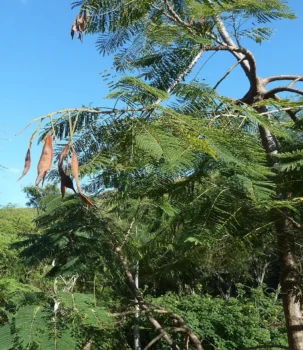
Delonix: The Spectacular Royal Poinciana Tree
If you’ve ever traveled to tropical destinations and been stopped in your tracks by a magnificent tree crowned with brilliant orange-red blooms, chances are you were admiring a Delonix, better known as the Royal Poinciana or Flamboyant Tree. This stunning perennial tree has captured hearts worldwide with its dramatic flowering display and elegant umbrella-shaped canopy.
What Makes Delonix Special?
Delonix is a true showstopper in the plant world. This large tree typically grows 13-16 feet or taller, developing a distinctive wide, spreading canopy that provides excellent shade. The real magic happens during blooming season when the tree erupts in clusters of vibrant orange-red flowers with delicate red stamens that seem to dance in the breeze. The foliage is equally beautiful, featuring fine, fern-like leaves that create an almost lacy texture against the sky.
Where Does Delonix Grow?
Originally native to Madagascar, Delonix is now a non-native species that has established itself across several US territories and states. You’ll find it growing in Florida, Hawaii, Palau, Puerto Rico, the Virgin Islands, and Navassa Island, where it reproduces naturally and persists without human intervention.
- Species observed
- No observations
Is Delonix Right for Your Garden?
Before falling head over heels for this gorgeous tree, consider whether your garden is the right fit:
The Good News:
- Absolutely stunning visual impact when in bloom
- Excellent shade tree with its broad canopy
- Attracts pollinators including bees, butterflies, and birds
- Relatively fast-growing once established
- Drought-tolerant after maturity
The Considerations:
- Requires a large space – this tree needs room to spread
- Only thrives in USDA hardiness zones 10-12
- As a non-native species, it doesn’t support local ecosystems like native trees do
- Can be messy when flowers and seed pods drop
- May require structural pruning to prevent storm damage
Growing Delonix Successfully
If you live in a warm climate and have decided this tropical beauty is right for your landscape, here’s how to help it thrive:
Ideal Growing Conditions:
- Full sun exposure for the best flowering
- Well-draining soil (it’s quite adaptable to different soil types)
- Warm, tropical or subtropical climate
- Protection from strong winds when young
Planting and Care Tips:
- Choose a location with plenty of space for the mature canopy spread
- Water regularly during the establishment period
- Once mature, the tree becomes quite drought-tolerant
- Prune young trees to develop strong structure
- Remove any damaged or crossing branches
- Be patient – young trees may take several years to bloom
Consider Native Alternatives
While Delonix is undeniably beautiful, consider exploring native alternatives that provide similar benefits while supporting local wildlife and ecosystems. Depending on your region, native flowering trees can offer spectacular blooms and attract native pollinators and birds that have evolved alongside them.
For Florida gardeners, consider native options like Firebush (Hamelia patens) or Coral Bean (Erythrina herbacea). Hawaiian gardeners might explore native options like Wiliwili (Erythrina sandwicensis) or other indigenous flowering trees.
The Bottom Line
Delonix is a spectacular tree that can transform a tropical landscape with its incredible blooms and graceful form. If you have the right climate, adequate space, and appreciate its non-native status, it can be a stunning addition to your garden. Just remember to consider native alternatives that might provide similar beauty while supporting your local ecosystem. Whatever you choose, make sure you’re prepared for the commitment – this is a tree that will be a major presence in your landscape for decades to come!