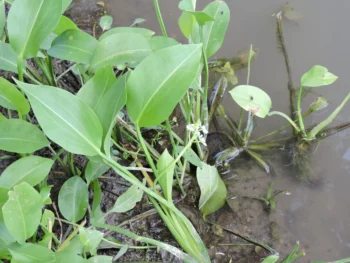
Delta Arrowhead: A Native Aquatic Beauty for Your Water Garden
If you’ve been dreaming of adding a splash of native charm to your pond or water feature, let me introduce you to the delta arrowhead (Sagittaria platyphylla). This delightful aquatic perennial might just be the missing piece your wetland garden has been waiting for!
What Makes Delta Arrowhead Special?
Delta arrowhead is a true native treasure, naturally occurring across 18 states in the lower 48, from the southeastern coastal plains to parts of the Midwest. You’ll find this lovely plant calling home to states like Alabama, Florida, Georgia, Texas, and as far north as Illinois and Ohio. Its native status means it’s perfectly adapted to our local ecosystems and plays an important role in supporting regional wildlife.
- Species observed
- No observations
As a member of the arrowhead family, this perennial forb grows as an emergent aquatic plant, meaning it loves to have its feet wet while reaching toward the sky. The plant gets its common name from its distinctive arrow-shaped leaves, which create an elegant backdrop in any water garden setting.
Garden Appeal and Design Role
What really sets delta arrowhead apart is its striking foliage and delicate white flowers. The coarse-textured, green leaves provide excellent contrast in water features, while the small white blooms add a subtle touch of elegance during mid-summer. Don’t expect a showy floral display – the flowers are modest but charming, perfectly suited to naturalistic garden designs.
This plant typically reaches about 3 feet in height with a single crown growth form and erect orientation. Its rapid growth rate means you won’t be waiting years to see results, making it an excellent choice for new water garden installations or wetland restoration projects.
Perfect Garden Settings
Delta arrowhead thrives in:
- Water gardens and pond margins
- Bog gardens and rain gardens
- Naturalized wetland areas
- Wildlife habitat restoration projects
- Native plant gardens with water features
This isn’t a plant for traditional flower borders – it’s an obligate wetland species that almost always occurs in wetlands across all regions of its range. Think of it as nature’s way of saying I belong in the water!
Growing Conditions and Care
The beauty of growing native plants like delta arrowhead is that they’re already perfectly adapted to local conditions. Here’s what this water-loving plant needs to thrive:
Moisture: High water requirements – this plant needs consistently moist to wet conditions or standing water. Drought tolerance? None whatsoever!
Soil: Remarkably adaptable to coarse, medium, or fine-textured soils, as long as they stay wet. pH should range between 5.0 and 7.0.
Sun exposure: Prefers full sun but is shade intolerant, so choose your location accordingly.
Hardiness: Suitable for USDA zones 5-9, tolerating temperatures as low as -13°F.
Space requirements: Plan for about 2,700 to 4,800 plants per acre if you’re doing larger installations.
Planting and Propagation
Ready to add delta arrowhead to your water garden? Here’s how to get started:
The plant can be propagated by seed or sprigs, with seeds being the most common method. With about 70,000 seeds per pound, a little goes a long way! Seeds should be planted during the growing season (spring and summer) when the plant is most active.
Keep in mind that commercial availability is listed as no known source, so you might need to seek out specialty native plant nurseries or participate in seed swaps with other native plant enthusiasts.
Once established, delta arrowhead has a moderate seed spread rate and medium seedling vigor. The plant doesn’t resprout after cutting, so be mindful of maintenance timing.
Wildlife and Pollinator Benefits
While specific wildlife benefits aren’t well-documented for this species, aquatic native plants like delta arrowhead typically support various forms of wildlife. The flowers bloom during mid-summer, providing nectar sources for pollinators during the peak growing season. Seeds persist from summer through fall, potentially offering food for waterfowl and other wildlife.
Special Considerations
A few things to keep in mind when growing delta arrowhead:
- Fire tolerance is high, but the plant has no fire resistance
- Requires at least 135 frost-free days
- Annual precipitation needs range from 32-55 inches
- Not suitable for areas with high salinity
- Has a relatively short lifespan for a perennial
Is Delta Arrowhead Right for Your Garden?
Delta arrowhead is perfect for gardeners who want to create authentic native wetland habitats or add interesting texture to water features. It’s an excellent choice if you’re passionate about supporting local ecosystems and don’t mind the specific moisture requirements.
However, this isn’t the plant for you if you’re looking for showy flowers, have a traditional dry garden, or want something that requires minimal water. Its obligate wetland status means you’ll need to commit to keeping it consistently moist.
For those with the right conditions, delta arrowhead offers a chance to grow a truly native species that connects your garden to the broader landscape. It’s a wonderful way to support biodiversity while enjoying the unique beauty of our regional flora.
Ready to dive into native water gardening? Delta arrowhead might just be the perfect place to start your aquatic adventure!