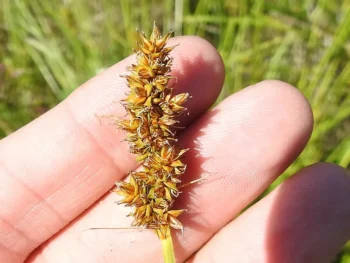
Dense Sedge: The Unsung Hero of Wet Gardens
If you’re looking for a native plant that thrives where others fear to tread—namely, those soggy spots in your yard—let me introduce you to dense sedge (Carex densa). This Pacific Northwest native might not win any beauty contests, but it’s the reliable workhorse your wet garden has been waiting for.
What is Dense Sedge?
Dense sedge is a perennial grass-like plant that belongs to the sedge family (Cyperaceae). Don’t let the grass-like description fool you into thinking it’s just another lawn substitute—this little plant has some serious wetland credentials. As its common name suggests, it forms dense clumps of narrow, green foliage that create attractive textural interest in the landscape.
You might also see it listed under its former scientific name, Carex breviligulata, but Carex densa is the current accepted name. Either way, you’re getting the same dependable plant.
Where Does Dense Sedge Come From?
This sedge is native to the western United States, specifically California, Oregon, and Washington. It’s perfectly adapted to the coastal and inland wetland conditions of the Pacific Northwest, making it an excellent choice for gardeners in these regions who want to work with nature rather than against it.
- Species observed
- No observations
Why Plant Dense Sedge in Your Garden?
Here’s where dense sedge really shines: it’s what botanists call an obligate wetland plant, meaning it almost always occurs in wetlands. This makes it absolutely perfect for those challenging wet spots in your landscape that leave other plants gasping for air (or rather, gasping for less water).
Dense sedge works beautifully in:
- Rain gardens and bioswales
- Bog gardens and wetland areas
- Naturalized landscapes
- Erosion control projects
- Coastal gardens with moist conditions
While it may not provide nectar for butterflies (sedges are wind-pollinated), dense sedge offers valuable wildlife habitat. Its dense clumps provide shelter for small creatures, and the seeds can feed birds when they mature.
Growing Dense Sedge Successfully
The beauty of dense sedge lies in its simplicity. This plant is remarkably low-maintenance once you understand its basic needs.
Ideal Growing Conditions
Dense sedge thrives in USDA hardiness zones 7-10, making it suitable for most of the Pacific coast. It prefers:
- Full sun to partial shade (though it tolerates quite a range)
- Consistently moist to wet soils
- Poor to average soil fertility (it’s not picky!)
The key thing to remember is that this plant wants its feet wet. If you have a spot that stays soggy after rain or where other plants struggle with too much moisture, dense sedge will likely be thrilled to call it home.
Planting and Care Tips
Getting dense sedge established is refreshingly straightforward:
- Plant in spring or fall when temperatures are moderate
- Space plants about 12-18 inches apart for coverage
- Water regularly during the first growing season, then let nature take over
- Minimal fertilization needed—this plant is adapted to lean conditions
- Divide clumps every 3-4 years if they become too large or dense
One of the best things about dense sedge is that it requires very little ongoing care. Once established, it’s essentially a plant it and forget it addition to your landscape.
Should You Plant Dense Sedge?
If you live within its native range and have wet or consistently moist areas in your landscape, dense sedge is an excellent choice. It’s particularly valuable for gardeners interested in supporting native ecosystems and creating habitat for local wildlife. While it won’t give you showy flowers or dramatic foliage, it will give you reliable, year-round structure and the satisfaction of working with a plant that truly belongs in your local environment.
Dense sedge proves that sometimes the most valuable plants in our gardens are the quiet ones—the steady performers that hold everything together while the showier plants get all the attention. In the world of wetland gardening, that’s exactly the kind of reliable partner you want on your team.