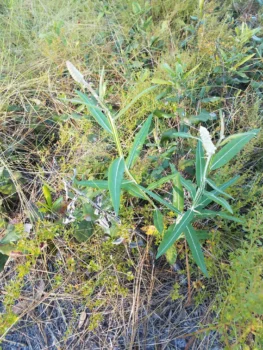
Dense-Spike Blackroot: A Unique Native Wildflower for Southern Gardens
If you’re looking for a distinctive native wildflower that’s as intriguing as its name suggests, dense-spike blackroot (Pterocaulon pycnostachyum) might just be the perfect addition to your southeastern garden. This perennial herb brings a touch of the wild coastal plains right to your backyard, complete with fuzzy white stems that look like they’ve been dusted with flour.
What is Dense-Spike Blackroot?
Dense-spike blackroot is a native perennial forb that belongs to the southeastern United States. As a herbaceous plant, it lacks the woody stems of shrubs and trees, instead growing as a soft-stemmed wildflower that returns year after year. Don’t let the name blackroot fool you – the most striking feature of this plant is actually its distinctive white, woolly stems and leaves that create an almost ghostly appearance in the garden.
Where Does It Grow Naturally?
This southeastern native calls the coastal plain regions of Alabama, Florida, Georgia, Mississippi, North Carolina, and South Carolina home. It’s perfectly adapted to the climate and growing conditions of these areas, making it an excellent choice for gardeners in USDA hardiness zones 8-10.
- Species observed
- No observations
Garden Appeal and Landscape Role
Dense-spike blackroot offers unique visual interest with its contrasting features. The plant produces small, cream to white flower heads that cluster together in dense, spike-like arrangements – hence the dense-spike part of its common name. These blooms create an interesting textural element against the plant’s felted, silvery-white foliage.
In the landscape, this native works beautifully as:
- A naturalized groundcover in wildflower meadows
- An accent plant in native plant gardens
- A coastal garden specimen that tolerates sandy conditions
- Part of a pollinator-friendly planting scheme
Growing Conditions and Care
One of the best things about dense-spike blackroot is its low-maintenance nature. As a plant that typically grows in upland areas rather than wetlands, it prefers well-drained soils and can handle drought conditions once established.
Here’s what this native prefers:
- Soil: Sandy, well-draining soil (perfect for coastal gardens)
- Water: Drought tolerant once established; minimal supplemental watering needed
- Sun exposure: Full sun to partial shade
- Maintenance: Very low maintenance – just let it do its thing!
Wildlife and Pollinator Benefits
Like many native wildflowers, dense-spike blackroot supports local ecosystems by providing nectar and pollen for small pollinators and beneficial insects. By choosing native plants like this one, you’re helping to support the wildlife that has evolved alongside these species for thousands of years.
Should You Plant Dense-Spike Blackroot?
Dense-spike blackroot is an excellent choice if you:
- Live in the southeastern United States (zones 8-10)
- Want to support native ecosystems and pollinators
- Have sandy or well-draining soil
- Prefer low-maintenance plants
- Enjoy unique, textural plants with interesting foliage
However, you might want to consider other options if you’re looking for a showstopper with large, colorful blooms or if you live outside its natural range where it may not thrive.
Planting and Care Tips
Getting dense-spike blackroot established in your garden is refreshingly straightforward. Plant it in spring after the last frost, choosing a location with good drainage. Space plants appropriately to allow for their natural spreading habit, and water regularly during the first growing season to help establish strong roots.
Once established, this native is incredibly self-sufficient. It rarely needs supplemental watering except during extreme drought, and it doesn’t require fertilization when grown in appropriate conditions. Simply enjoy watching it naturalize and support your local ecosystem year after year.
Dense-spike blackroot proves that sometimes the most rewarding garden plants are those that work with nature rather than against it. This southeastern native brings both ecological value and unique beauty to gardens lucky enough to host it.