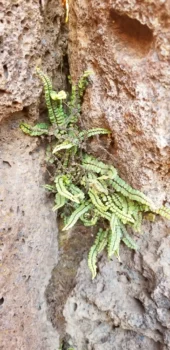
Dense Spleenwort: Hawaii’s Rare Endemic Fern
If you’re passionate about Hawaiian native plants, you might have heard whispers about the dense spleenwort (Asplenium trichomanes densum). This little-known fern is one of Hawaii’s botanical treasures, though it’s so rare and understudied that even finding basic information about it feels like a treasure hunt!
What is Dense Spleenwort?
Dense spleenwort is a perennial fern that belongs to the spleenwort family. Also known by its scientific synonym Asplenium densum, this delicate fern is found exclusively in the Hawaiian Islands, making it a true endemic species. As its name suggests, it likely has a more compact or dense growth pattern compared to its relatives.
Where Does It Grow?
This rare fern calls only Hawaii home, growing naturally nowhere else on Earth. Its limited distribution makes it particularly special – and particularly vulnerable.
- Species observed
- No observations
Conservation Status: A Plant of Mystery
Here’s where things get a bit concerning – dense spleenwort has a conservation status of S1S3Q, which indicates it’s somewhere between critically imperiled and vulnerable, but the Q suggests there are questions about its taxonomy or status. This uncertainty, combined with its Hawaiian endemism, means we should treat this species with extra care and respect.
Should You Try to Grow Dense Spleenwort?
Given its rarity and uncertain conservation status, dense spleenwort isn’t really a plant for the average home gardener. If you’re interested in this species, here are some important considerations:
- Only obtain plants from reputable, conservation-minded nurseries that can verify responsible propagation
- Never collect plants from the wild – this could harm already vulnerable populations
- Consider growing other Hawaiian native ferns that are more readily available and better understood
- Support conservation efforts and botanical research in Hawaii
Growing Conditions (What We Know)
While specific information about dense spleenwort’s cultivation requirements is limited, we can make some educated guesses based on its Hawaiian forest origins:
- Climate: Tropical conditions (USDA zones 10-12)
- Light: Likely prefers filtered shade, similar to forest understory conditions
- Moisture: Probably needs consistent humidity and moisture
- Soil: Well-draining but moisture-retentive, rich in organic matter
Alternatives to Consider
If you’re drawn to Hawaiian native ferns but want species that are better understood and more readily available, consider these alternatives:
- Hawaiian tree fern (Cibotium glaucum)
- Other Hawaiian Asplenium species with stable populations
- Native ferns appropriate to your specific location if you’re outside Hawaii
The Bigger Picture
Dense spleenwort represents the incredible – and fragile – diversity of Hawaii’s native flora. Many of the islands’ endemic species face threats from habitat loss, invasive species, and climate change. By learning about plants like dense spleenwort, we become more aware of the importance of protecting these unique ecosystems.
Rather than trying to grow this mysterious fern in your garden, consider supporting Hawaiian conservation organizations, visiting botanical gardens that specialize in Hawaiian natives, or simply appreciating that somewhere in Hawaii’s forests, this little-known fern continues to quietly exist as it has for thousands of years.
Sometimes the most beautiful thing about a plant isn’t how it looks in our gardens – it’s knowing that it’s out there, wild and free, maintaining the intricate web of life that makes each place on Earth unique.