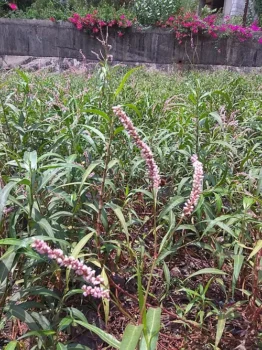
Denseflower Knotweed: A Rare Native Wetland Gem for Water-Loving Gardens
Meet denseflower knotweed (Polygonum glabrum), a charming native wetland plant that’s as specialized as its habitat requirements. This little-known gem might not be the showiest plant in your garden center, but for the right gardener with the right conditions, it can be an invaluable addition to wetland restoration projects and water gardens.
What Makes Denseflower Knotweed Special?
Denseflower knotweed is a fascinating native forb that belongs to the buckwheat family. As an annual or perennial plant (it can be either, depending on conditions), this herbaceous beauty lacks woody tissue but makes up for it with its specialized adaptation to wetland environments. You might also encounter it under several scientific synonyms, including Persicaria densiflora, Persicaria glabra, and Polygonum densiflorum – botanists love to keep us on our toes!
Where Does It Call Home?
This native plant has quite an impressive range across the southeastern United States and beyond. You’ll find denseflower knotweed naturally growing in Alabama, Arkansas, Delaware, Florida, Georgia, Kansas, Kentucky, Louisiana, Maryland, Mississippi, Missouri, New Jersey, North Carolina, Pennsylvania, South Carolina, Tennessee, Texas, Virginia, and Puerto Rico. It’s truly a plant that knows how to adapt to diverse climates while maintaining its wetland preferences.
- Species observed
- No observations
A Word of Caution: Rarity Matters
Before you rush out to find this plant, here’s something crucial to know: denseflower knotweed is listed as endangered in New Jersey, with a rarity status of S1 (critically imperiled). This means that if you’re interested in growing this species, you must source it responsibly. Only purchase from reputable native plant nurseries that propagate their stock ethically, and never collect from wild populations.
The Ultimate Wetland Specialist
Here’s where denseflower knotweed really shines – it’s classified as an Obligate Wetland plant across all regions where it grows. This means it almost always occurs in wetlands and has adapted specifically to life in consistently wet conditions. If you have a boggy area, seasonal flooding, or are planning a rain garden, this could be your new best friend.
Growing Conditions That Make It Happy
Denseflower knotweed is quite specific about its needs:
- Moisture: Wet to saturated soils are essential – think marsh-like conditions
- Sunlight: Full sun to partial shade
- Climate: Thrives in USDA hardiness zones 6-10
- Soil: Tolerates various soil types as long as they stay consistently moist
Perfect Garden Roles
This isn’t a plant for every garden, but in the right setting, it’s invaluable:
- Wetland restoration projects: Helps stabilize soil and provides native habitat
- Rain gardens: Excellent for managing stormwater runoff
- Bog gardens: Adds texture and native authenticity
- Pond edges: Creates natural-looking transitions
- Naturalized areas: Perfect for low-maintenance wetland meadows
Aesthetic Appeal and Wildlife Benefits
While denseflower knotweed may not win awards for flashy blooms, its dense clusters of small white to pinkish flowers have a delicate charm that attracts small pollinators like native bees and flies. The plant’s fine texture and naturalistic growth habit make it an excellent supporting player in wetland plant communities.
Planting and Care Tips
Successfully growing denseflower knotweed is all about getting the moisture right:
- Site selection: Choose the wettest area of your property
- Planting time: Spring or early summer when soil is naturally moist
- Watering: Keep soil consistently saturated – this plant cannot tolerate drought
- Maintenance: Minimal once established in proper conditions
- Companions: Pairs well with other native wetland plants like cardinal flower, blue flag iris, and swamp milkweed
Should You Plant Denseflower Knotweed?
This plant is perfect for you if you have consistently wet conditions and want to support native plant conservation. It’s an excellent choice for ecological restoration, specialized water gardens, and anyone passionate about preserving rare native species. However, it’s not suitable for typical garden beds or areas with normal drainage.
Remember, with its endangered status in some areas, growing denseflower knotweed responsibly means sourcing it ethically and potentially contributing to conservation efforts. If you don’t have the wet conditions it requires, consider other native alternatives that might better suit your garden’s needs.
For the right gardener with the right conditions, denseflower knotweed offers a unique opportunity to grow a specialized native plant while supporting local ecosystem restoration. Just make sure you can keep its feet very, very wet!