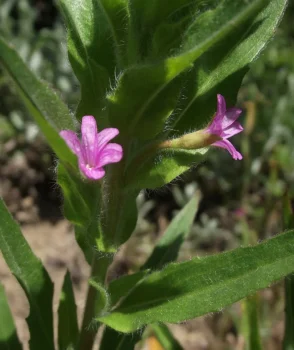
Denseflower Willowherb: A Hidden Gem for Wet Spots in Your Native Garden
If you’ve got a soggy spot in your garden that seems impossible to plant, meet your new best friend: denseflower willowherb (Epilobium densiflorum). This charming little annual might not be the showiest plant on the block, but it’s got personality and purpose that make it a wonderful addition to the right garden setting.
What Makes Denseflower Willowherb Special?
Denseflower willowherb is a true North American native, calling home a impressive swath of the western continent from British Columbia down through California and eastward to Montana and Utah. You’ll find this adaptable annual growing wild in Arizona, California, Idaho, Montana, Nevada, Oregon, Utah, Washington, and British Columbia.
- Species observed
- No observations
As a forb (basically a fancy term for a non-woody flowering plant), this annual herb grows fresh each year from seed, completing its entire life cycle in one growing season. Don’t let its annual nature fool you though – when happy, it readily self-seeds to return year after year.
Garden Appeal and Design Uses
While denseflower willowherb won’t stop traffic with flashy blooms, it brings a subtle charm with clusters of small white to pale pink flowers that create a delicate, cloud-like effect. The narrow leaves and compact growth habit make it perfect for:
- Native plant gardens seeking authentic local flora
- Rain gardens and bioswales
- Pond and stream margins
- Naturalized meadow areas
- Wildlife habitat gardens
Why Your Local Pollinators Will Thank You
Those modest little flowers are actually pollinator magnets, attracting small native bees, beneficial flies, and other tiny pollinators. In our world of declining pollinator populations, every native flower counts, and this one punches above its weight class in the wildlife support department.
The Perfect Growing Conditions
Here’s where denseflower willowherb really shines – it loves what many other plants hate. This moisture-loving annual is classified as a facultative wetland plant, meaning it’s perfectly happy with wet feet but can also tolerate drier conditions if needed.
Ideal growing conditions include:
- Consistently moist to wet soil
- Full sun to partial shade (though it prefers good light)
- Tolerance for seasonal flooding
- USDA hardiness zones 3-9
Planting and Care Made Simple
One of the best things about denseflower willowherb is how easy it is to establish and maintain. Since it’s an annual, you’re primarily working with seeds rather than transplants.
Getting started:
- Direct seed in fall for spring germination, or sow in early spring
- Scatter seeds on prepared, moist soil surface
- Keep soil consistently moist during germination
- No need for fertilizer – this native thrives in average soils
Ongoing care:
- Maintain consistent soil moisture throughout the growing season
- Allow plants to go to seed if you want them to return next year
- Minimal maintenance required once established
- May self-seed readily in ideal conditions
Is Denseflower Willowherb Right for Your Garden?
This native beauty is perfect if you have consistently moist areas that need ecological purpose and subtle charm. It’s especially valuable for gardeners focused on supporting native wildlife and creating authentic regional ecosystems.
However, it might not be the best choice if you’re looking for dramatic visual impact or have only dry, well-drained garden areas. But if you’ve got that wet spot where other plants struggle, denseflower willowherb could be exactly what you’ve been searching for.
Sometimes the most humble plants provide the greatest garden satisfaction. Denseflower willowherb proves that native gardening isn’t just about the showstoppers – it’s about creating living systems where every plant, no matter how modest, plays its perfect part.