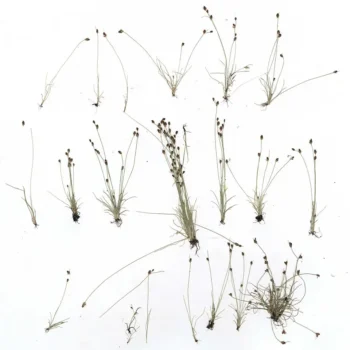
Densetuft Hairsedge: A Delicate Native Sedge for Natural Gardens
Meet densetuft hairsedge (Bulbostylis capillaris), a charming little native sedge that might just be the unsung hero your natural garden has been waiting for. This delicate annual plant may not win any beauty contests, but it brings a subtle elegance and important ecological value to landscapes across North America.
What is Densetuft Hairsedge?
Densetuft hairsedge is a small, annual sedge that forms neat little tufts of hair-like foliage. True to its name, this plant creates dense clusters of extremely fine, thread-like leaves that sway gently in the breeze. The flowers are inconspicuous greenish-brown clusters that appear in late summer, but don’t expect a showy display – this plant’s beauty lies in its delicate, fine-textured appearance.
Native Status and Where It Grows
This wonderful little sedge is truly a North American native success story. Bulbostylis capillaris is native throughout most of the continental United States, southern Canada (including New Brunswick, Nova Scotia, Ontario, and Quebec), and Puerto Rico. Interestingly, while it’s considered non-native in Hawaii, it has naturalized there and reproduces on its own.
You can find densetuft hairsedge thriving in an impressive range of locations, from Alabama to Wisconsin, Maine to California, and everywhere in between. Its widespread distribution speaks to its remarkable adaptability.
- Species observed
- No observations
Why Grow Densetuft Hairsedge?
While densetuft hairsedge might not be the showstopper of your garden, it offers several compelling reasons to include it in your landscape:
- Native Plant Value: Supporting local ecosystems by growing native species
- Low Maintenance: As an annual that self-seeds, it requires minimal care once established
- Textural Interest: Adds fine, delicate texture to contrast with broader-leaved plants
- Naturalizing Ability: Perfect for wild gardens and prairie restorations
- Adaptability: Grows in various conditions and soil types
Garden Design and Landscape Use
Densetuft hairsedge works beautifully in several landscape settings:
- Native Plant Gardens: An authentic addition to regional plant communities
- Prairie Restorations: Helps fill in gaps and provides fine texture
- Natural Landscapes: Perfect for areas where you want a wild look
- Rain Gardens: Its facultative wetland status makes it suitable for areas with variable moisture
This sedge works best as a supporting player rather than a star performer. Use it to create subtle textural contrast or to fill in open areas in naturalized plantings.
Growing Conditions and Care
One of the best things about densetuft hairsedge is its easygoing nature. This adaptable plant can handle a range of growing conditions:
- Sunlight: Full sun to partial shade
- Soil: Adaptable to various soil types and moisture levels
- Moisture: From dry to occasionally wet conditions (varies by region)
- USDA Hardiness Zones: 3-10
Wetland Adaptability
Densetuft hairsedge shows remarkable flexibility when it comes to moisture conditions. Depending on your region, it can thrive in both wetland and upland conditions. In most areas, it typically prefers non-wetland sites but can tolerate occasional flooding. In some coastal regions, it’s equally comfortable in wet or dry locations.
Planting and Care Tips
Growing densetuft hairsedge is refreshingly simple:
- Seeding: Scatter seeds in fall or early spring on prepared soil
- Maintenance: Minimal care required once established
- Self-seeding: Allow plants to set seed for natural reseeding
- Soil Preparation: Prefers somewhat disturbed or open soil for best germination
Since this is an annual plant, don’t expect the same individuals to return year after year. Instead, rely on the plant’s natural ability to self-seed and establish new populations.
Wildlife and Ecological Benefits
While densetuft hairsedge may not be a major pollinator magnet (it’s wind-pollinated), it still contributes to the ecosystem in important ways. The seeds can provide food for small birds and the fine foliage offers shelter for tiny insects and other small creatures.
Is Densetuft Hairsedge Right for Your Garden?
Consider adding densetuft hairsedge to your garden if you:
- Love native plants and want to support local ecosystems
- Prefer low-maintenance, naturalizing plants
- Are creating a prairie restoration or wild garden
- Want to add fine texture to your plant palette
- Enjoy subtle, understated beauty in the landscape
While it won’t give you dramatic color or bold architecture, densetuft hairsedge offers the quiet satisfaction of growing a truly native species that asks for little and gives back to the local ecosystem. Sometimes the most humble plants make the most valuable garden residents.