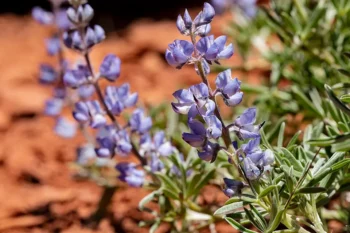
Depressed Lupine: A Compact Native Wildflower for Rocky Gardens
If you’re looking for a native wildflower that won’t tower over your rock garden or alpine landscape, meet the depressed lupine (Lupinus depressus). Don’t let the name fool you – there’s nothing sad about this cheerful little lupine! This low-growing perennial brings classic lupine beauty to challenging garden spots where its taller cousins simply won’t fit.
What Makes Depressed Lupine Special
Depressed lupine is a true native gem, naturally occurring across Colorado, Idaho, Montana, and Wyoming. As a perennial forb, it lacks the woody stems of shrubs but returns year after year, making it a reliable addition to your native plant palette. Unlike its towering relatives, this lupine stays close to the ground, earning its depressed common name from its compact, low-growing habit rather than any melancholy disposition.
Botanically known as Lupinus depressus, this species may also be found listed under the synonym Lupinus argenteus var. depressus in some references. Whatever name you use, you’re getting the same delightful plant.
- Species observed
- No observations
Why Grow Depressed Lupine in Your Garden
This native lupine offers several compelling reasons to include it in your landscape:
- Perfect scale for rock gardens and alpine plantings
- Supports native pollinators with typical lupine flowers
- Adapted to challenging growing conditions
- Requires minimal maintenance once established
- Adds authentic regional character to western gardens
Garden Design and Landscape Use
Depressed lupine shines in specialized garden settings where its compact nature is an asset rather than a limitation. Consider it for:
- Rock gardens where space is premium
- Alpine and mountain-themed landscapes
- Native plant demonstrations
- Challenging slopes with poor soil
- Areas where larger plants would look out of scale
Growing Conditions and Care
Like many mountain natives, depressed lupine prefers conditions that mimic its natural high-elevation habitat. Provide full sun and well-draining soil – this is absolutely critical for success. The plant tolerates poor soils and drought conditions once established, making it ideal for those tricky garden spots where other plants struggle.
This hardy perennial thrives in USDA zones 4-7, handling cold winters with ease. The key to success is avoiding soggy conditions, especially during winter months when poor drainage can quickly lead to root rot.
Planting and Establishment Tips
Getting depressed lupine established requires patience and attention to its specific needs:
- Direct sow seeds in fall for natural cold stratification
- Ensure excellent drainage – add gravel or sand to heavy soils
- Water sparingly during establishment, then only during extended dry periods
- Avoid fertilizing, as lupines prefer lean soils
- Be patient – lupines can be slow to establish but are worth the wait
Wildlife and Pollinator Value
Like other lupines, depressed lupine provides valuable nectar and pollen for native bees and other pollinators. The classic pea-family flowers attract a variety of beneficial insects, making this compact plant a hardworking member of any pollinator garden despite its small stature.
The Bottom Line
Depressed lupine proves that good things come in small packages. While it may not have the dramatic presence of its larger lupine relatives, it fills a unique niche for gardeners working with challenging sites or specialized garden themes. If you’re creating a rock garden, alpine display, or simply want to support native plants in your region, this little lupine deserves serious consideration. Just remember – excellent drainage is non-negotiable, but get that right, and you’ll have a charming native that asks for little while giving back plenty.