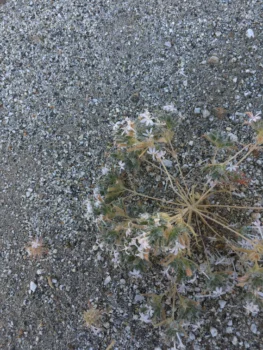
Desert Calico: A Delicate Desert Gem for Water-Wise Gardens
If you’re looking to add some delicate charm to your desert garden without breaking the water budget, meet desert calico (Loeseliastrum matthewsii). This petite annual wildflower might be small in stature, but it packs a punch when it comes to drought tolerance and desert beauty.
What is Desert Calico?
Desert calico is a native annual forb that belongs to the phlox family. You might also see it listed under its former scientific names, Langloisia matthewsii or Loeselia matthewsii, but don’t let the name changes confuse you – it’s the same charming little plant. As a forb, it’s an herbaceous flowering plant without woody stems, making it perfect for adding soft texture to harsh desert landscapes.
Where Does Desert Calico Call Home?
This native beauty is perfectly at home in the southwestern United States, specifically thriving in the desert regions of California and Nevada. It has evolved to handle the extreme conditions of these areas, making it an authentic choice for gardeners wanting to create landscapes that reflect their local ecosystem.
- Species observed
- No observations
Why Gardeners Love Desert Calico
There are several compelling reasons to consider desert calico for your garden:
- Ultra-low water needs: Once established, this plant requires virtually no supplemental watering
- Native authenticity: Support local ecosystems while creating a garden that belongs in your region
- Pollinator magnet: Small native bees and other desert pollinators love the tiny clustered flowers
- Delicate beauty: Small white to pale pink flowers create a soft, ethereal look in rock gardens
- Easy care: Thrives in poor soils and harsh conditions where other plants struggle
Perfect Garden Settings
Desert calico shines in several garden styles:
- Desert and xeriscape gardens
- Rock gardens and gravelly areas
- Native plant collections
- Wildflower meadows in arid climates
- Water-wise landscapes
Its low-growing habit makes it an excellent ground cover option, filling in spaces between larger desert plants like cacti and succulents.
Growing Conditions and Care
Desert calico is remarkably easy to grow if you can provide what it craves – hot, dry conditions and well-draining soil. Here’s what this desert dweller needs:
- Sunlight: Full sun is essential
- Soil: Sandy, rocky, or gravelly soils with excellent drainage
- Water: Minimal – drought tolerance is its superpower
- Climate: Thrives in USDA zones 8-10
Planting and Care Tips
Since desert calico is an annual, you’ll need to replant it each year, but the good news is that it’s incredibly low-maintenance:
- When to plant: Direct seed in fall for spring blooms
- Soil preparation: Don’t amend the soil – it actually prefers poor, lean conditions
- Watering: Water lightly after seeding, then let nature take over
- Fertilizing: Skip it entirely – rich soils can actually harm this plant
- Maintenance: Virtually none required once established
Supporting Desert Wildlife
One of the best reasons to grow desert calico is its value to local wildlife. The small clustered flowers provide nectar for native desert bees and other pollinators that have co-evolved with this plant. By including it in your garden, you’re creating habitat and food sources for creatures that might otherwise struggle in developed areas.
Is Desert Calico Right for Your Garden?
Desert calico is perfect for gardeners who want to embrace water-wise gardening while supporting native ecosystems. However, it’s not the right choice if you’re looking for a long-lived perennial or if you live outside of zones 8-10. This plant thrives in harsh conditions that would stress other flowers, making it ideal for challenging spots in desert gardens.
If you’re ready to try something truly adapted to desert life, desert calico offers delicate beauty with bulletproof toughness – a combination that’s hard to beat in water-wise gardening.