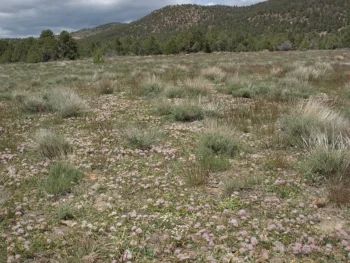
Desert Combleaf: A Lesser-Known Native Forb for Western Gardens
If you’re passionate about native gardening in the western United States, you might have stumbled across the intriguing desert combleaf (Polyctenium fremontii). This native perennial forb represents one of those delightfully obscure plants that dedicated native plant enthusiasts love to discover, even though it’s not exactly a household name in the gardening world.
What is Desert Combleaf?
Desert combleaf is a perennial forb native to the lower 48 states. As a forb, it’s a vascular plant that lacks significant woody tissue above or at ground level – think of it as an herbaceous plant that comes back year after year. Unlike shrubs or trees, forbs like desert combleaf have their growing points (perennating buds) located at or below the soil surface, helping them survive harsh conditions.
Where Does It Grow?
This native beauty calls four western states home: California, Idaho, Nevada, and Oregon. Its natural range suggests it’s adapted to the diverse climates and conditions found across the western landscape, from desert valleys to mountain foothills.
- Species observed
- No observations
Garden Suitability and Growing Conditions
Here’s where things get interesting – and a bit challenging. Desert combleaf falls into that category of native plants that botanists know exist, but gardeners haven’t fully embraced yet. The limited cultivation information available makes it something of a mystery plant for home gardeners.
What we do know is helpful: desert combleaf has a facultative wetland status in both the Arid West and Western Mountains regions. This means it’s adaptable, capable of thriving in both wetland and non-wetland conditions – a trait that suggests it might be more flexible in garden settings than you’d expect.
Should You Grow Desert Combleaf?
The honest answer is: it depends on your gardening philosophy and patience level. Here’s what to consider:
- For the adventurous native plant collector: This could be a fascinating addition to a specialized native plant collection
- For beginners: You might want to start with better-documented native forbs before tackling this one
- For restoration projects: If you’re working in areas where it naturally occurs, it could be valuable for authentic habitat restoration
The Challenge of Growing Desert Combleaf
The biggest hurdle with desert combleaf isn’t necessarily growing it – it’s finding reliable information about how to grow it successfully. Limited cultivation data means you’d be somewhat pioneering if you decide to grow this plant. This lack of horticultural information also means finding seeds or plants for purchase could be quite challenging.
Native Alternatives to Consider
If you’re drawn to the idea of native western forbs but want something with more established growing information, consider these well-documented alternatives that share similar geographic ranges:
- Desert lupine (Lupinus species)
- Penstemon species native to your area
- Native buckwheat species (Eriogonum)
- Local native sunflower varieties
The Bottom Line
Desert combleaf represents one of those intriguing native plants that reminds us how much we still have to learn about our native flora. While it might not be the easiest choice for your first native garden, it highlights the incredible diversity of plants that have been quietly thriving in western landscapes for countless generations.
If you’re determined to work with lesser-known natives like desert combleaf, consider connecting with local native plant societies, botanical gardens, or university extension programs. They might have insights or even propagation material that isn’t widely available through commercial sources.
Sometimes the most rewarding gardening experiences come from working with plants that challenge us to become better observers and more thoughtful gardeners – and desert combleaf certainly fits that bill!