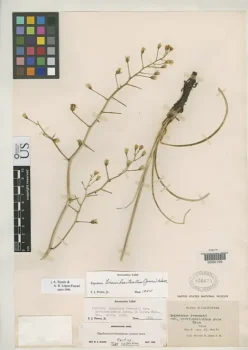
Desert Deathcamas: A Beautiful but Dangerous Native Wildflower
If you’re drawn to native California plants with striking white blooms, desert deathcamas might catch your eye. But before you rush to add this perennial wildflower to your garden, there’s something crucial you need to know – it’s as toxic as its ominous common name suggests!
What is Desert Deathcamas?
Desert deathcamas (Zigadenus brevibracteatus) is a native California perennial that belongs to the forb family – essentially a non-woody herbaceous plant. This drought-adapted wildflower produces clusters of small, creamy white flowers that bloom above grass-like foliage, creating an elegant display in its natural desert habitat.
Where Does Desert Deathcamas Grow?
This native beauty calls California home, specifically thriving in the state’s desert regions. As a plant native to the lower 48 states, it’s perfectly adapted to California’s unique climate conditions and plays an important role in local ecosystems.
- Species observed
- No observations
The Beauty and the Beast: Aesthetic Appeal vs. Safety Concerns
Desert deathcamas offers undeniable charm with its delicate white flower clusters that rise above slender, grass-like leaves. The blooms attract various pollinators, making it ecologically valuable. However, every part of this plant contains toxic alkaloids that are poisonous to humans, pets, and livestock. This isn’t a plant to take lightly!
Should You Plant Desert Deathcamas?
Consider planting it if:
- You have a dedicated native plant or desert garden
- Your garden is completely inaccessible to children and pets
- You’re creating a specialized California native landscape
- You want to support local pollinators with native plants
Skip it if:
- You have children or pets who might access the garden
- You’re unsure about plant identification and safety
- You prefer low-risk plants for peace of mind
Growing Conditions and Care
If you decide to grow desert deathcamas despite its toxicity, it’s surprisingly easy to care for once established:
Preferred conditions:
- Full sun exposure
- Well-draining, sandy or rocky soil
- Minimal water once established
- USDA hardiness zones 8-10
Planting and Care Tips
Desert deathcamas thrives with a plant it and forget it approach – perfect for water-wise gardening! Plant in fall for best establishment, ensuring excellent drainage to prevent root rot. Once established, this drought-tolerant perennial requires very little supplemental watering. Avoid overwatering, as desert natives prefer dry conditions.
Garden Design Ideas
This native works best in specialized settings like:
- Desert-themed gardens
- Native plant preserves
- Water-wise landscapes
- Educational botanical displays
Supporting Pollinators Safely
While desert deathcamas does attract pollinators with its nectar-rich blooms, there are many safer native alternatives that provide similar benefits without the toxicity risk. Consider other California natives like desert marigold or brittlebush for pollinator-friendly gardens that won’t keep you up at night worrying about safety.
The Bottom Line
Desert deathcamas is a legitimate native plant with ecological value, but its extreme toxicity makes it unsuitable for most home gardens. Unless you’re creating a specialized native plant collection with appropriate safety measures, you’re better off choosing one of California’s many other beautiful – and safe – native wildflowers. Sometimes the most responsible gardening choice is knowing when to admire a plant in its natural habitat rather than bringing it home!