Desert Frasera: A Spectacular Native Wildflower for Southwestern Gardens
If you’re looking to add some serious drama to your desert garden, meet the desert frasera (Frasera albomarginata) – a show-stopping native wildflower that’s guaranteed to turn heads and spark conversations. This remarkable perennial forb is like the botanical equivalent of a fireworks display, shooting up tall spikes of delicate flowers that seem to defy the harsh desert landscape around them.
What Makes Desert Frasera Special
Desert frasera is a true native gem, belonging exclusively to the American Southwest. This hardy perennial has adapted beautifully to some of our country’s most challenging growing conditions, making it a fantastic choice for gardeners who want to embrace water-wise landscaping without sacrificing visual impact.
As a forb – essentially a non-woody flowering plant – desert frasera lacks the thick, woody stems of shrubs and trees. Instead, it focuses its energy on producing those spectacular flower spikes that can reach impressive heights and create stunning vertical accents in the landscape.
Where Desert Frasera Calls Home
This native beauty has claimed its territory across six southwestern states: Arizona, California, Colorado, Nevada, New Mexico, and Utah. If you live in these regions, you’re in luck – you can grow a plant that truly belongs in your local ecosystem.
- Species observed
- No observations
The Visual Appeal
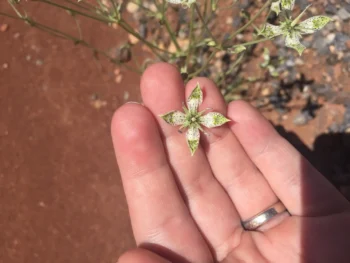
Desert frasera’s flowers are where the magic happens. Picture tall, stately spikes adorned with clusters of small, four-petaled blooms in white to pale greenish hues, each marked with distinctive purple or dark accents. These aren’t your typical desert flowers – they have an almost ethereal quality that creates a striking contrast against the rugged desert backdrop.
Perfect for These Garden Styles
Desert frasera thrives in:
- Desert and xeriscape gardens
- Rock gardens and stone landscapes
- Native plant collections
- Low-water ornamental beds
- Natural wildlife gardens
Growing Conditions That Make It Happy
Think desert tough and you’ll understand what desert frasera needs to thrive:
- Soil: Well-draining, sandy, or rocky soil is essential – soggy feet are a no-go
- Sun exposure: Full sun to partial shade
- Water: Low water requirements once established; drought tolerance is its superpower
- Climate: Thrives in USDA hardiness zones 4-8
Planting and Care Tips
Growing desert frasera successfully is all about patience and respecting its desert nature:
- Drainage is king: Ensure excellent drainage to prevent root rot – consider raised beds or slopes if your soil tends to hold water
- Go easy on the water: Once established, this plant prefers the tough love approach to watering
- Be patient: Desert frasera can take several years to bloom from seed, but the wait is worth it
- Minimal maintenance: This low-maintenance beauty doesn’t need much fussing once it’s settled in
Wildlife and Pollinator Benefits
Desert frasera isn’t just a pretty face – it’s also a pollinator magnet. Its nectar-rich flowers attract a variety of beneficial insects, including bees, flies, and butterflies. By planting desert frasera, you’re creating a valuable food source for pollinators while supporting your local ecosystem.
A Note on Responsible Growing
While desert frasera isn’t listed as endangered, it’s always wise to source your plants or seeds from reputable native plant nurseries rather than collecting from wild populations. This ensures you’re not impacting natural stands while still enjoying this spectacular native in your own garden.
Is Desert Frasera Right for Your Garden?
Desert frasera is perfect for gardeners who:
- Live in the southwestern United States
- Want to support native ecosystems
- Appreciate unique, conversation-starting plants
- Prefer low-maintenance, drought-tolerant landscaping
- Enjoy creating habitat for pollinators
However, it might not be the best choice if you prefer instant gratification (remember, patience is key with this one) or if you live outside its native range where other native alternatives would be more appropriate.
Desert frasera proves that native doesn’t mean boring – sometimes it means absolutely spectacular. Give this desert jewel the well-draining home it craves, and it will reward you with years of stunning blooms and the satisfaction of knowing you’re gardening in harmony with nature.