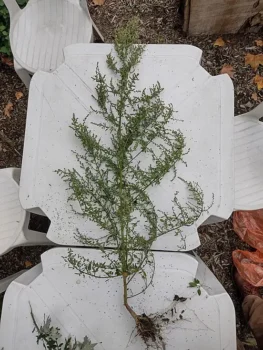
Desert Goosefoot: A Humble Native with Hidden Charms
If you’re looking for a flashy showstopper to anchor your flower bed, desert goosefoot (Chenopodium pratericola) probably isn’t your plant. But if you’re interested in supporting native ecosystems and creating authentic wildlife habitat, this unassuming annual deserves a closer look. Sometimes the most valuable garden plants are the ones that work quietly behind the scenes.
Meet the Desert Goosefoot
Desert goosefoot goes by several scientific names depending on which botanical reference you consult – you might see it listed as Chenopodium albescens or under various subspecies names. But regardless of what it’s called in the textbooks, this native North American annual has been quietly doing its ecological work across the continent for centuries.
As a forb (that’s botanist-speak for a non-woody flowering plant), desert goosefoot typically grows as a small, branching annual that completes its entire life cycle in one growing season. Don’t expect anything too dramatic – we’re talking about a plant that values function over form.
Where Desert Goosefoot Calls Home
This adaptable native has one of the most impressive natural ranges you’ll find in North American flora. Desert goosefoot grows naturally from Alaska and the Canadian territories all the way south through the lower 48 states, thriving in habitats from sea level to mountain elevations. You can find it in states as diverse as California and Maine, Texas and Montana – basically, if you live in North America, there’s a good chance desert goosefoot considers your region home.
- Species observed
- No observations
A Word of Caution: Rarity Matters
Here’s where things get interesting – and important. While desert goosefoot has a continent-wide distribution, it’s actually quite rare in some areas. In New Jersey, for example, it carries a rarity status of S1, meaning it’s critically imperiled in that state. This reminds us that just because a plant has a wide overall range doesn’t mean it’s common everywhere.
If you’re interested in growing desert goosefoot, please make sure you source seeds or plants responsibly. Never collect from wild populations, especially in areas where the plant is rare. Instead, look for reputable native plant societies or seed companies that ethically propagate native species.
Why Consider Desert Goosefoot for Your Garden?
You might wonder why anyone would want to grow such a modest plant. Here’s the thing – desert goosefoot fills an important ecological niche that many showier plants simply can’t match:
- Pioneer species value: It’s often among the first plants to colonize disturbed areas, helping stabilize soil and create conditions for other native plants
- Wildlife support: While the flowers might look insignificant to us, they provide pollen for various small insects
- Authentic habitat: If you’re creating a truly native landscape, including humble species like this one makes your garden more ecologically complete
- Low maintenance: Once established, it requires virtually no care from you
Growing Desert Goosefoot Successfully
The good news is that desert goosefoot is remarkably easy to grow – after all, it’s been thriving without human help for millennia. Here’s what you need to know:
Growing Conditions: This adaptable native tolerates a wide range of conditions. It performs well in full sun to partial shade and isn’t particularly picky about soil type. Once established, it’s quite drought tolerant, though it will appreciate some moisture during germination.
Hardiness: As an annual, desert goosefoot survives winter as seed rather than as a living plant. This means it can handle USDA zones 2-9, essentially anywhere in the continental United States and much of Canada.
Planting Tips: The easiest way to establish desert goosefoot is from seed. Sow seeds in fall for natural stratification over winter, or start them indoors in late winter. The plants will self-sow readily once established, so you may only need to plant once.
Care Requirements: Here’s the beauty of native plants – they’re designed for your local conditions. Desert goosefoot needs minimal care once established. No fertilizing, minimal watering after the first season, and no pruning required.
Where Desert Goosefoot Fits in Your Landscape
This isn’t a plant for formal garden beds or high-visibility areas. Instead, consider desert goosefoot for:
- Naturalized areas and wild gardens
- Native plant restoration projects
- Areas where you want to support local wildlife
- Low-maintenance spaces that you want to fill with authentic native species
The Bottom Line
Desert goosefoot won’t win any beauty contests, but it offers something more valuable – authentic native habitat that supports local ecosystems while requiring almost nothing from you in return. If you’re committed to creating truly native landscapes and can source plants responsibly, desert goosefoot deserves consideration as part of your plant community.
Remember, the most sustainable gardens aren’t always the most Instagram-worthy ones. Sometimes the greatest beauty lies in knowing you’re providing exactly what your local wildlife needs to thrive.