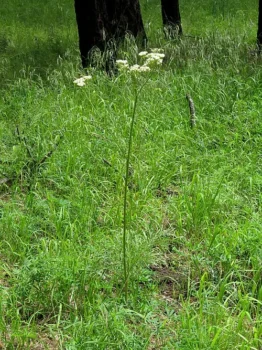
Desert Indianbush: A Hardy Native for Water-Wise Gardens
If you’re looking to create a stunning desert landscape that’s both beautiful and environmentally responsible, meet desert Indianbush (Psacalium decompositum). This resilient native perennial might not have the flashiest name, but it’s a true gem for gardeners who want to embrace water-wise gardening while supporting local wildlife.
What Is Desert Indianbush?
Desert Indianbush is a perennial forb—basically a non-woody flowering plant that comes back year after year. Don’t let the technical term fool you; this is simply a hardy herbaceous plant that knows how to thrive in tough conditions. You might also see it listed under its old scientific names, Cacalia decomposita or Odontotrichum decompositum, but Psacalium decompositum is the current accepted name.
Where Does It Call Home?
This southwestern beauty is native to Arizona and New Mexico, where it has adapted perfectly to the challenging desert mountain environment. As a true native of the lower 48 states, it’s perfectly suited to thrive in its natural habitat without any fuss from gardeners.
- Species observed
- No observations
Why Choose Desert Indianbush for Your Garden?
There are several compelling reasons to consider this native plant:
- Water-wise wonder: Once established, it’s incredibly drought-tolerant
- Low maintenance: Requires minimal care once settled in
- Native support: Helps preserve local ecosystems and plant communities
- Pollinator magnet: Attracts native bees, butterflies, and other beneficial insects
- Unique texture: Deeply divided, silvery-green foliage adds interesting contrast
Garden Design Ideas
Desert Indianbush works wonderfully in several landscape settings:
- Desert gardens: Perfect for authentic southwestern landscapes
- Xeriscapes: Ideal for water-conservation focused designs
- Rock gardens: Complements rocky, well-draining environments
- Native plant gardens: Essential for regional plant communities
- Background planting: Provides texture and subtle beauty behind showier plants
Growing Conditions and Care
The beauty of desert Indianbush lies in its simplicity. Here’s what it needs to thrive:
Climate: Hardy in USDA zones 7-10, making it suitable for most southwestern gardens and even some milder areas beyond its native range.
Light: Prefers full sun but can tolerate some partial shade, especially during the hottest part of the day.
Soil: The key is excellent drainage. Sandy, rocky, or gravelly soils work best. Heavy clay or water-retentive soils are a no-go.
Water: Once established, this plant is remarkably drought-tolerant. During the first year, provide occasional deep watering to help roots establish, then step back and let nature take over.
Planting and Care Tips
Getting desert Indianbush established is straightforward if you follow these guidelines:
- Timing: Plant in fall or early spring when temperatures are mild
- Soil prep: Ensure excellent drainage by amending heavy soils with sand or gravel
- Initial watering: Water regularly the first growing season to establish roots
- Ongoing care: Once established, water only during extended dry periods
- Pruning: Minimal pruning needed—just remove spent flowers if desired
The Pollinator Connection
One of the most rewarding aspects of growing desert Indianbush is watching the wildlife it attracts. The clusters of small, cream-colored flowers that appear in late summer and fall are particularly appealing to native desert pollinators. Small native bees, butterflies, and other beneficial insects will thank you for providing this native nectar source.
Is Desert Indianbush Right for Your Garden?
Desert Indianbush is an excellent choice if you’re gardening in its native range or similar climates and want a low-maintenance, environmentally beneficial plant. It’s particularly perfect for gardeners who are moving away from water-hungry landscapes toward more sustainable, native plant gardens.
However, if you live outside zones 7-10 or in areas with heavy, poorly draining soils, you might want to consider other native alternatives better suited to your specific conditions.
With its subtle beauty, incredible hardiness, and important ecological benefits, desert Indianbush proves that sometimes the most rewarding garden plants are the ones that know how to take care of themselves while supporting the natural world around them.