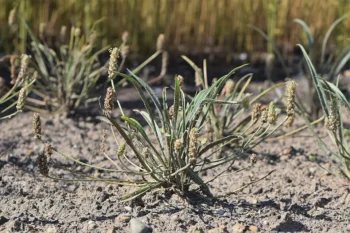
Desert Indianwheat: A Hardy Native Annual for Water-Wise Gardens
If you’re looking to create a sustainable, low-maintenance garden that celebrates native plants, desert Indianwheat (Plantago ovata) might just be the unassuming hero your landscape needs. This modest annual forb may not win any beauty contests, but it’s a champion when it comes to thriving in tough conditions while supporting local ecosystems.
What is Desert Indianwheat?
Desert Indianwheat is a native annual forb that belongs to the plantain family. As a forb, it’s an herbaceous plant without woody tissue, meaning it dies back completely each year and regrows from seed. Don’t let its humble appearance fool you – this little plant is perfectly adapted to some of the harshest growing conditions in North America.
You might also encounter this plant listed under several botanical synonyms, including Plantago brunnea, Plantago fastigiata, Plantago gooddingii, and Plantago insularis, among others. But regardless of what name you find it under, you’re looking at the same resilient desert dweller.
Where Does Desert Indianwheat Grow?
This southwestern native calls the arid regions of Arizona, California, Nevada, Texas, and Utah home. It’s perfectly adapted to desert conditions and thrives in areas where many other plants would struggle to survive.
- Species observed
- No observations
Why Consider Desert Indianwheat for Your Garden?
While desert Indianwheat won’t provide the showstopping blooms of more ornamental plants, it offers several compelling reasons to include it in your landscape:
- Native plant benefits: As a true native, it supports local ecosystems and requires no resources beyond what nature provides
- Extreme drought tolerance: Once established, it thrives with minimal to no supplemental watering
- Erosion control: Its root system helps stabilize soil on slopes and in disturbed areas
- Wildlife value: Seeds provide food for small birds and other wildlife
- Low maintenance: This annual essentially takes care of itself
Growing Conditions and Care
Desert Indianwheat is remarkably easy to grow if you can provide the right conditions:
Sunlight: Full sun is essential – this plant loves bright, direct sunlight all day long.
Soil: Well-draining soil is crucial. Sandy, rocky, or gravelly soils work best. Heavy clay or water-retentive soils will likely cause problems.
Water: Once established, desert Indianwheat is extremely drought tolerant. In fact, overwatering is more likely to harm it than underwatering.
Climate: Hardy in USDA zones 8-11, this plant thrives in hot, dry climates with low humidity.
Wetland Considerations
Desert Indianwheat has different wetland classifications depending on your region. In the Arid West and Western Mountains regions, it’s classified as Facultative Upland, meaning it usually grows in non-wetland areas but can occasionally appear in wetlands. In the Great Plains, it’s simply Facultative, indicating it can grow in both wet and dry conditions. This flexibility makes it adaptable to various moisture levels within its preferred arid climate.
Planting and Establishment
The best approach with desert Indianwheat is direct seeding in fall, which mimics natural germination patterns:
- Scatter seeds over prepared soil in late fall
- Lightly rake to ensure good seed-to-soil contact
- Provide minimal water during germination if fall rains are insufficient
- Allow plants to complete their natural cycle and drop seeds for next year’s growth
Garden Design Ideas
Desert Indianwheat works beautifully in:
- Xeriscapes: Perfect for water-wise landscaping
- Rock gardens: Looks natural growing between stones and boulders
- Naturalized areas: Ideal for creating low-maintenance native plant communities
- Slope stabilization: Helps prevent erosion on hillsides
- Desert restoration projects: Essential for recreating authentic desert plant communities
The Bottom Line
Desert Indianwheat may not be the most glamorous plant in your garden, but it’s exactly the kind of hardworking native that makes sustainable landscaping possible in arid regions. If you’re committed to water-wise gardening, supporting native ecosystems, or simply want a plant that thrives on neglect, desert Indianwheat deserves a spot in your landscape. Just remember – sometimes the most valuable plants are the ones that quietly do their job without asking for attention.