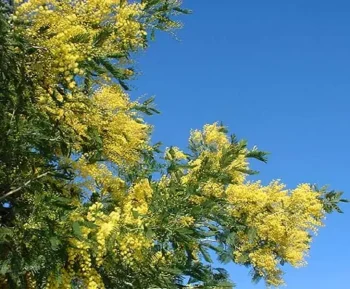
Desert Mimosa: A Thorny Texas Native Worth Growing
If you’re looking to add some authentic Texas charm to your landscape while supporting local wildlife, the desert mimosa (Mimosa turneri) might just be the prickly personality your garden needs. This native Texas shrub brings delicate beauty and serious drought tolerance to the table – along with a few thorns to keep things interesting!
Meet the Desert Mimosa
The desert mimosa is a perennial shrub that’s as tough as the Texas landscapes it calls home. Also known by the synonym Mimosa zygophylla in some older references, this native beauty has adapted to thrive in some pretty challenging conditions. Don’t let the thorns fool you – beneath that spiky exterior lies a plant that’s surprisingly graceful and beneficial for both gardeners and local wildlife.
Where You’ll Find This Texas Native
Desert mimosa is exclusively native to Texas, making it a true Lone Star State original. You’ll find it growing naturally in the Trans-Pecos region and parts of south-central Texas, where it has learned to make the most of limited rainfall and intense summer heat.
- Species observed
- No observations
Why Your Garden Will Love Desert Mimosa
This multi-stemmed woody shrub typically stays under 13-16 feet tall, making it a perfect choice for medium-sized landscapes. Here’s what makes it special:
- Stunning flowers: Delicate pink to purple puffball blooms that look like tiny fireworks
- Feathery foliage: Bipinnate leaves create a soft, textured appearance
- Pollinator magnet: Bees and butterflies can’t resist those fluffy flowers
- Drought champion: Once established, it laughs in the face of dry spells
- Low maintenance: Perfect for busy gardeners who want beauty without the fuss
Perfect Garden Spots for Desert Mimosa
This adaptable native fits beautifully into several garden styles:
- Xeriscape and drought-tolerant gardens
- Native Texas plant collections
- Naturalistic landscapes
- Wildlife-friendly gardens
- Low-water Mediterranean-style designs
Growing Your Desert Mimosa Successfully
Climate Zones: Desert mimosa thrives in USDA hardiness zones 8-10, making it suitable for most of Texas and similar climates.
Sun and Soil: Give this sun-worshipper a spot with full sun exposure. It’s not picky about soil types but absolutely insists on good drainage – soggy roots are its kryptonite. Alkaline soils? No problem! This Texas native actually prefers them.
Planting Tips: Spring is the ideal time to plant your desert mimosa. Dig a hole twice as wide as the root ball but no deeper, and make sure water drains away from the planting area. Space plants according to their mature size, keeping in mind they can spread several feet wide.
Watering Wisdom: Water regularly the first year to help establish roots, then gradually reduce watering. Once mature, desert mimosa is remarkably drought-tolerant and may only need supplemental water during extreme dry spells.
Pruning Pointers: Wear thick gloves when pruning – those thorns mean business! Light pruning in late winter can help maintain shape, but avoid heavy cutting as it may reduce flowering.
Supporting Texas Wildlife
By choosing desert mimosa, you’re not just adding beauty to your landscape – you’re creating habitat for local wildlife. The flowers provide nectar for native bees and butterflies, while the shrub’s structure offers shelter for small birds and beneficial insects. It’s a win-win for both your garden’s aesthetics and the local ecosystem.
Is Desert Mimosa Right for Your Garden?
Desert mimosa is an excellent choice if you:
- Live in Texas or a similar climate (zones 8-10)
- Want to support native wildlife
- Prefer low-maintenance, drought-tolerant plants
- Enjoy unique, textural plants with seasonal interest
- Have well-draining soil and full sun exposure
However, you might want to consider alternatives if you have small children who play in the garden area, as the thorns can be quite sharp, or if you’re in a region outside its natural hardiness range.
Desert mimosa proves that native doesn’t mean boring. With its delicate flowers, interesting texture, and bulletproof constitution, this Texas native brings authentic regional character to your landscape while supporting the local ecosystem. Sometimes the best garden additions are the ones that have been thriving in your area long before gardens even existed!