Desert Myrtlecroton: A Hardy Native Shrub for Southwestern Gardens
If you’re looking for a low-maintenance native shrub that can handle the heat and drought of the American Southwest, meet the desert myrtlecroton (Bernardia obovata). This unassuming but resilient perennial shrub might not win any beauty contests, but it’s exactly the kind of steady performer that makes xeriscaping and native gardening a breeze.
What Makes Desert Myrtlecroton Special?
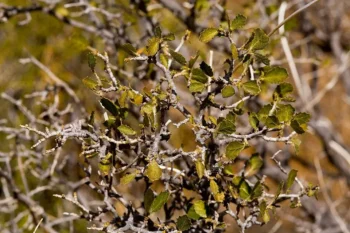
Desert myrtlecroton is a true southwestern native, naturally occurring in New Mexico and Texas. As a multi-stemmed woody shrub, it typically grows to a modest height of 4-5 meters (13-16 feet), though it usually stays much smaller in garden settings. Its oval-shaped leaves and inconspicuous flowers won’t steal the show, but that’s not really the point with this plant—it’s all about reliability and ecological value.
Where You’ll Find It Growing Wild
This hardy shrub calls the southwestern United States home, with natural populations documented in New Mexico and Texas. It’s perfectly adapted to the challenging conditions of this region, including intense sun, low rainfall, and alkaline soils.
- Species observed
- No observations
Why Consider Desert Myrtlecroton for Your Garden?
Here’s where this humble shrub really shines:
- Native plant benefits: Supporting local ecosystems while requiring minimal resources
- Drought tolerance: Once established, it laughs in the face of dry spells
- Low maintenance: Perfect for gardeners who want impact without the fuss
- Structural value: Provides year-round form and texture in the landscape
- Wildlife support: While not a major pollinator magnet, it contributes to the native plant community
Perfect Garden Settings
Desert myrtlecroton feels right at home in:
- Desert and xeriscape gardens
- Native plant landscapes
- Low-water Mediterranean-style gardens
- Background plantings where you need reliable structure
- Naturalistic southwestern landscapes
Growing Conditions and Care
The beauty of desert myrtlecroton lies in its simplicity. This shrub thrives in USDA hardiness zones 8-10 and prefers:
- Sunlight: Full sun to partial shade
- Soil: Well-draining soils, tolerates alkaline conditions
- Water: Drought tolerant once established, occasional deep watering during dry periods
- Maintenance: Minimal pruning needed, just remove dead or damaged branches
Planting and Establishment Tips
Getting your desert myrtlecroton off to a good start is straightforward:
- Plant in fall or early spring when temperatures are mild
- Choose a location with good drainage—soggy soil is this plant’s biggest enemy
- Water regularly during the first growing season to establish roots
- Once established (usually after the first year), reduce watering significantly
- Mulch around the base to conserve moisture and suppress weeds
The Bottom Line
Desert myrtlecroton might not be the flashiest plant in the garden center, but it’s exactly what sustainable southwestern landscaping is all about. If you’re creating a native plant garden, working with challenging growing conditions, or simply want a reliable shrub that won’t demand constant attention, this native gem deserves serious consideration. It’s the kind of plant that proves sometimes the most valuable garden companions are the ones that quietly do their job while you focus on the showier stars of your landscape.