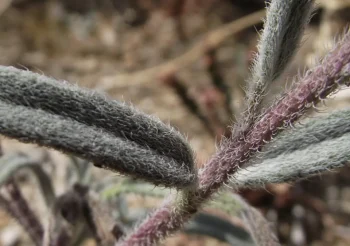
Desert Palafox: A Charming Native Wildflower for Water-Wise Gardens
If you’re looking for a delicate wildflower that thrives in tough conditions and asks for almost nothing in return, meet the desert palafox (Palafoxia arida). This unassuming annual might not win any flashy flower contests, but it’s got character and resilience that make it a wonderful addition to the right garden setting.
What is Desert Palafox?
Desert palafox is a native annual wildflower that belongs to the sunflower family. As a forb herb, it’s a soft-stemmed plant without woody tissue, producing small but charming daisy-like flowers that typically bloom in white to pale pink hues during late summer and fall. Don’t let its modest appearance fool you – this little plant is perfectly adapted to some of the harshest growing conditions in the American Southwest.
Where Does Desert Palafox Call Home?
This tough little wildflower is native to the lower 48 states, specifically thriving across Arizona, California, Nevada, and Utah. It’s a true child of the desert Southwest, having evolved to handle the intense sun, rocky soils, and limited rainfall that characterize this region.
- Species observed
- No observations
Why Consider Desert Palafox for Your Garden?
Desert palafox shines in specific garden situations where many other plants would struggle:
- Water-wise gardening: Once established, it requires minimal irrigation
- Pollinator support: The small flowers attract native bees and butterflies
- Naturalized areas: Perfect for creating authentic desert wildflower displays
- Low-maintenance appeal: Self-seeds readily, creating natural colonies
- Native plant gardening: Supports local ecosystems and biodiversity
Growing Conditions and Care
Desert palafox is refreshingly straightforward to grow if you can provide the right conditions:
Sunlight: Full sun is essential – this plant loves basking in intense desert sunshine.
Soil: Well-draining sandy or rocky soils are ideal. Heavy clay or constantly moist soils will likely cause problems.
Water: Drought tolerant once established. In fact, too much water can be detrimental to this desert-adapted plant.
Climate: Hardy in USDA zones 8-10, making it suitable for warm, arid climates.
Planting and Establishment Tips
Getting desert palafox started in your garden is relatively simple:
- Direct seed in fall for best germination rates
- Scatter seeds over prepared soil and lightly rake in
- Provide minimal water during germination, then reduce as plants establish
- Allow plants to self-seed for natural colony development
- Avoid fertilizing – desert palafox prefers lean soils
Garden Design Ideas
Desert palafox works beautifully in several landscape scenarios:
- Desert gardens: Combines well with other native desert plants
- Xeriscapes: Adds gentle texture to water-wise landscapes
- Naturalized meadows: Creates authentic Southwest wildflower displays
- Rock gardens: Softens hard edges with delicate blooms
Is Desert Palafox Right for Your Garden?
Consider desert palafox if you:
- Garden in the Southwest with hot, dry conditions
- Want to support native pollinators
- Prefer low-maintenance, drought-tolerant plants
- Enjoy naturalized, wildflower-style gardens
However, this plant might not be the best choice if you:
- Garden in humid or wet climates
- Prefer showy, large flowers
- Have heavy clay soils with poor drainage
- Want plants that bloom throughout the growing season
The Bottom Line
Desert palafox may be small and subtle, but it’s a perfect example of how native plants can add authentic beauty while supporting local ecosystems. If you’re gardening in the Southwest and want to create habitat for pollinators while celebrating your region’s natural heritage, this charming annual wildflower deserves a spot in your landscape. Just give it sun, good drainage, and a hands-off approach – it’ll handle the rest with typical desert resilience.