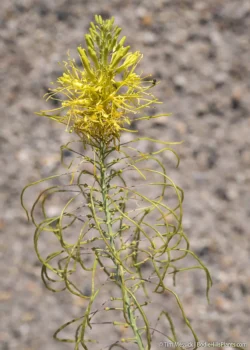
Desert Princesplume: A Majestic Native Wildflower for Water-Wise Gardens
If you’re looking for a show-stopping native plant that can handle tough conditions while providing a feast for pollinators, meet the desert princesplume (Stanleya pinnata var. pinnata). This remarkable perennial herb might just be the golden ticket your drought-tolerant garden has been waiting for!
What Makes Desert Princesplume Special?
Desert princesplume is a true American native, naturally occurring across 15 states throughout the western and central United States, including Arizona, California, Colorado, Idaho, Kansas, Montana, Nebraska, Nevada, New Mexico, North Dakota, Oregon, South Dakota, Texas, Utah, and Wyoming. This impressive geographical distribution speaks to its adaptability and resilience.
- Species observed
- No observations
As a perennial forb herb, desert princesplume lacks significant woody tissue but makes up for it with spectacular flowering displays. The plant produces tall, elegant spikes of bright yellow flowers that create a plume-like appearance – hence its regal common name. You might also encounter this beauty listed under its botanical synonyms, including Cleome pinnata Pursh or Stanleya pinnata var. typica Rollins.
Why Gardeners Love Desert Princesplume
There are several compelling reasons to consider adding this native gem to your landscape:
- Drought tolerance: Once established, desert princesplume thrives with minimal water, making it perfect for xeriscaping and water-wise gardens
- Pollinator magnet: The bright yellow flower spikes attract bees, butterflies, and other beneficial pollinators throughout the growing season
- Low maintenance: This hardy native requires very little care once established
- Unique appearance: The distinctive plume-like flower clusters add vertical interest and a wild, natural beauty to garden designs
- Native authenticity: Supporting local ecosystems by choosing plants that naturally belong in your region
Perfect Garden Settings
Desert princesplume shines brightest in:
- Native plant gardens and prairie restorations
- Drought-tolerant and xeriscaped landscapes
- Wildflower meadows and naturalized areas
- Desert and arid-themed gardens
- Pollinator gardens focused on native species
This plant works beautifully as an accent specimen or massed for dramatic effect. Its tall, upright growth habit makes it an excellent choice for adding vertical interest to the back of borders or as a focal point in native plant compositions.
Growing Conditions and Care
Desert princesplume is remarkably adaptable and thrives in USDA hardiness zones 4-9. Here’s what this resilient native prefers:
- Sunlight: Full sun exposure for best flowering and growth
- Soil: Well-draining soil is essential; tolerates poor, rocky, or sandy soils
- Water: Drought-tolerant once established; avoid overwatering as this can lead to root problems
- Spacing: Allow adequate room for the plant’s natural spreading habit
Planting and Care Tips
Getting started with desert princesplume is refreshingly straightforward:
- Plant in spring after the last frost date
- Choose a sunny location with excellent drainage
- Water regularly during the first growing season to establish roots
- Once established, reduce watering significantly – this plant actually prefers some neglect!
- Deadhead spent flowers if you want to prevent self-seeding, or leave them for natural propagation
- Minimal fertilization needed; too much can actually reduce flowering
A Word of Caution and Consideration
While desert princesplume is generally well-behaved in gardens, it can self-seed under favorable conditions. This isn’t necessarily a problem in natural or semi-wild settings, but keep this in mind for more formal garden designs. Simply deadhead flowers before they set seed if you prefer more control over spread.
The Bottom Line
Desert princesplume offers an unbeatable combination of native authenticity, drought tolerance, and stunning visual appeal. For gardeners in its native range looking to create sustainable, water-wise landscapes that support local wildlife, this golden beauty deserves serious consideration. Its minimal care requirements and maximum visual impact make it a smart choice for both experienced native plant gardeners and newcomers to drought-tolerant landscaping.
Why not give this majestic native a try? Your local pollinators – and your water bill – will thank you!