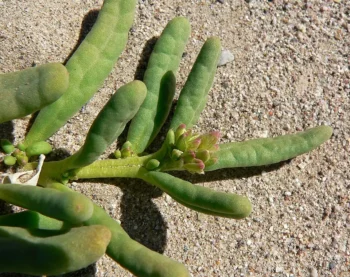
Desert Pussypaws: A Charming Native Annual for Southwestern Gardens
If you’re looking for a delicate yet resilient native plant that embodies the subtle beauty of the American Southwest, desert pussypaws might just be your new favorite discovery. Don’t let the whimsical name fool you – this petite annual packs a surprising punch in drought-tolerant landscaping.
Meet Desert Pussypaws
Desert pussypaws (Cistanthe ambigua) is a charming native annual that belongs to the diverse family of flowering forbs. You might also encounter it under its former scientific name, Calandrinia ambigua, though botanists have since reclassified this delightful desert dweller. As an annual forb, it completes its entire life cycle in one growing season, lacking the woody stems of shrubs and trees.
Where You’ll Find This Desert Native
This lovely little plant calls the American Southwest home, thriving naturally across Arizona and California’s desert regions. As a native species to the lower 48 states, desert pussypaws has evolved perfectly to handle the challenging conditions of these arid landscapes.
- Species observed
- No observations
Why Gardeners Love Desert Pussypaws
What makes desert pussypaws so appealing? It’s all about the delicate beauty it brings to harsh environments:
- Charming flowers: Small clusters of pink to white flowers create a soft, cottage garden feel in desert settings
- Low maintenance: Once established, this plant practically takes care of itself
- Pollinator magnet: The modest blooms attract native bees and other beneficial insects
- Compact growth: Perfect for tucking into rock gardens or using as ground cover
- Drought champion: Thrives with minimal water once established
Perfect Garden Scenarios
Desert pussypaws shines in several garden styles:
- Desert and xeriscape gardens: A natural fit for water-wise landscaping
- Rock gardens: Tucks beautifully between stones and boulders
- Native plant gardens: Supports local ecosystem health
- Ground cover applications: Forms attractive low carpets in appropriate climates
Growing Conditions and Care
Success with desert pussypaws comes down to mimicking its natural desert habitat:
- Sunlight: Full sun is essential – this plant loves bright, direct light
- Soil: Well-draining sandy or rocky soil is crucial; avoid heavy clay
- Water: Minimal irrigation needed; overwatering is more harmful than drought
- Climate zones: Best suited for USDA hardiness zones 8-10
- Wetland tolerance: Can handle both wetland and non-wetland conditions, making it surprisingly adaptable
Planting and Care Tips
Growing desert pussypaws successfully is refreshingly straightforward:
- Timing: Direct seed in fall for spring germination and blooming
- Soil prep: Ensure excellent drainage – consider raised beds if your soil retains water
- Spacing: Give plants room to spread as ground cover
- Watering: Water lightly during establishment, then rely on natural rainfall
- Fertilizing: Skip the fertilizer – desert natives prefer lean soil
Supporting Local Wildlife
By choosing desert pussypaws, you’re not just adding beauty to your landscape – you’re supporting native pollinators and beneficial insects that depend on indigenous plants. The small flowers provide nectar and pollen for tiny native bees and other pollinators that might struggle with larger, showier blooms.
Is Desert Pussypaws Right for Your Garden?
Desert pussypaws is an excellent choice if you garden in the Southwest and want to embrace water-wise, native plant gardening. However, gardeners outside of zones 8-10 or in areas with heavy, poorly-draining soil might find this plant challenging. If you’re in the right climate zone and can provide the sunny, well-draining conditions this desert beauty craves, you’ll be rewarded with a low-maintenance annual that brings authentic southwestern charm to your landscape.
Remember, as an annual, you’ll need to replant each year, but many gardeners find that desert pussypaws readily self-seeds in suitable conditions, potentially returning on its own to grace your garden with its modest beauty season after season.