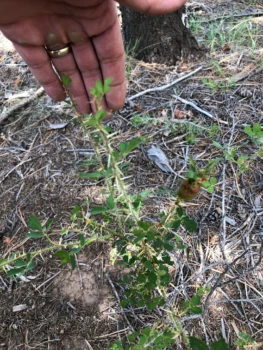
Desert Rose: A Tough Little Beauty for Southwestern Gardens
If you’re looking for a plant that laughs in the face of drought while still putting on a colorful show, meet the desert rose (Rosa stellata). This scrappy little native rose might just become your new favorite garden companion, especially if you’re gardening in the American Southwest.
What Makes Desert Rose Special?
Don’t let the name fool you – this isn’t your grandmother’s garden rose. Rosa stellata is a low-growing, perennial shrub that typically stays under 1.5 feet tall and rarely exceeds 3 feet at maturity. What it lacks in height, it makes up for in character and resilience.
This tough little rose produces charming pink to magenta flowers with five delicate petals from spring through fall. The blooms appear against a backdrop of small, compound leaves on thorny stems, creating a compact, rounded form that’s both attractive and functional in the landscape.
Where Desert Rose Calls Home
Rosa stellata is a true native of the American Southwest, naturally occurring in Arizona, New Mexico, and Texas. This plant has spent centuries adapting to the challenging conditions of desert and semi-desert environments, making it perfectly suited for gardens in these regions.
- Species observed
- No observations
Why You’ll Want Desert Rose in Your Garden
Here’s where this little rose really shines:
- Drought champion: Once established, it needs minimal water – perfect for xeriscaping
- Pollinator magnet: Bees, butterflies, and other native pollinators love the flowers
- Long bloom season: Enjoy flowers from spring through fall
- Low maintenance: No fussy care requirements or regular feeding needed
- Native credentials: Supporting local ecosystems while reducing water usage
Perfect Spots for Desert Rose
Rosa stellata works beautifully in several garden settings:
- Rock gardens where it can nestle between stones
- Xeriscape designs as a colorful accent
- Native plant gardens alongside other southwestern species
- Front borders where its compact size won’t overwhelm
- Wildlife gardens to support local pollinators
Growing Conditions That Make Desert Rose Happy
This rose thrives in USDA hardiness zones 5-9, making it suitable for a wide range of climates beyond just the hottest desert areas. Here’s what it needs to flourish:
- Sunlight: Full sun for best flowering
- Soil: Well-draining soil is essential – it actually prefers poor to rocky soils over rich garden soil
- Water: Drought tolerant once established, but appreciates occasional deep watering during extreme heat
- Space: Allow 2-3 feet between plants for good air circulation
Planting and Care Tips
Getting your desert rose off to a good start is straightforward:
When to plant: Fall or early spring are ideal planting times, avoiding the hottest summer months.
Planting: Dig a hole as deep as the root ball and twice as wide. Don’t amend the soil with compost – this rose prefers lean conditions.
Watering: Water regularly the first year to help establish roots, then reduce to occasional deep watering during dry spells.
Maintenance: Very little needed! Remove dead or damaged wood in late winter, but avoid heavy pruning. No fertilizer required – it actually prefers poor soil.
A Few Things to Keep in Mind
Like most roses, Rosa stellata has thorns, so plant it away from high-traffic areas or where children play frequently. Also, while it’s drought tolerant, newly planted specimens will need regular water their first growing season to establish strong root systems.
If you’re gardening outside the Southwest, you might want to consider native roses from your own region instead, as they’ll be better adapted to local conditions and support regional wildlife.
The Bottom Line
Rosa stellata is a wonderful choice for southwestern gardeners who want beauty without the high maintenance. It’s a plant that truly embodies the work smarter, not harder philosophy – giving you months of lovely blooms while asking for very little in return. Plus, you’ll be supporting native pollinators and conserving water at the same time. What’s not to love about that?