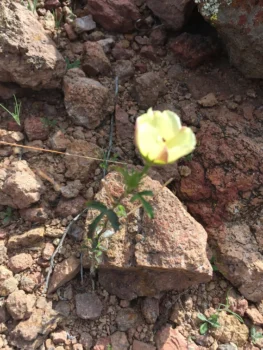
Desert Rosemallow: A Stunning Native Hibiscus for Water-Wise Gardens
If you’re looking to add some serious flower power to your desert or drought-tolerant garden, meet the desert rosemallow (Hibiscus coulteri). This gorgeous native shrub proves that you don’t need to sacrifice beauty for water conservation – it delivers both in spades!
What is Desert Rosemallow?
Desert rosemallow is a perennial shrub that’s completely at home in the hot, dry landscapes of the American Southwest. As a multi-stemmed woody plant, it typically grows to a manageable size of 4-5 feet, making it perfect for residential gardens where you want impact without overwhelming your space.
This native beauty is found naturally across Arizona, New Mexico, and Texas, where it has adapted perfectly to challenging desert conditions. Being a true native means it’s already programmed to thrive in your local climate without the fuss and water demands of non-native alternatives.
- Species observed
- No observations
Why You’ll Fall in Love with Desert Rosemallow
The real showstopper here is the flowers – and wow, what flowers they are! Desert rosemallow produces large, hibiscus-style blooms in shades of pink to red, often with darker, dramatic centers that create stunning contrast. These beauties keep the show going from spring through fall, giving you months of color when many other plants are taking a break.
The heart-shaped leaves provide an attractive backdrop for the flowers and maintain the plant’s good looks even when it’s not in bloom. Plus, this is one tough customer – once established, it laughs in the face of drought and heat that would wilt lesser plants.
Perfect for These Garden Styles
- Xeriscape and drought-tolerant gardens
- Native plant landscapes
- Desert-themed gardens
- Low-maintenance landscapes
- Naturalized areas
- Specimen plantings where you want a focal point
Wildlife and Pollinator Magnet
Here’s where desert rosemallow really shines beyond just looking pretty. Those large, nectar-rich flowers are absolute magnets for butterflies, bees, and hummingbirds. If you’re trying to create a pollinator-friendly garden or just love watching wildlife, this plant will turn your yard into a bustling hub of activity.
Growing Conditions and Care
Desert rosemallow is happiest in USDA hardiness zones 8-10, which perfectly matches its native range. Here’s what it needs to thrive:
- Sunlight: Full sun is essential – this plant wants to bask in those rays
- Soil: Well-draining soil is non-negotiable. Sandy or rocky soils are actually preferred
- Water: Drought tolerant once established, but needs regular water the first year
- Space: Give it room to spread to its natural 4-5 foot size
Planting and Care Tips
Spring is your best bet for planting desert rosemallow, giving it a full growing season to establish before facing its first winter. During that crucial first year, water regularly to help the root system develop – think of it as an investment in future water savings.
Once established, you can dramatically reduce watering. This is a plant that actually prefers to dry out between waterings rather than sitting in consistently moist soil.
For maintenance, a good pruning in late winter or early spring will keep your desert rosemallow looking its best and encourage vigorous new growth for the coming season.
The Bottom Line
Desert rosemallow is honestly a no-brainer for gardeners in its native range. You get stunning flowers, happy pollinators, minimal water needs, and the satisfaction of growing a plant that truly belongs in your landscape. It’s beautiful, tough, and ecologically valuable – what more could you want?
If you’re outside its native range, consider seeking out native hibiscus species that are adapted to your specific region. Every area has its own special natives that can provide similar beauty while supporting local ecosystems.