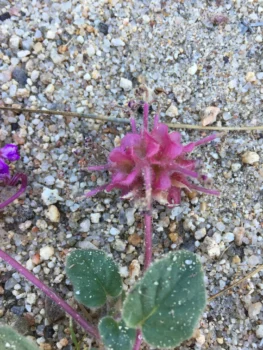
Desert Sand Verbena: A Fragrant Native Annual for Your Desert Garden
If you’re looking to add a touch of delicate beauty and evening fragrance to your desert landscape, desert sand verbena (Abronia villosa var. aurita) might just be the perfect addition. This charming native annual brings clusters of sweet-scented flowers to some of the harshest environments in the American Southwest.
What is Desert Sand Verbena?
Desert sand verbena is a low-growing annual forb native to the southwestern United States. Don’t let the verbena in its name fool you – it’s not actually related to true verbenas! This little plant belongs to the four o’clock family and has earned its place as a beloved wildflower across Arizona and California’s desert regions.
You might also see this plant referred to by its botanical name, Abronia villosa var. aurita, or its synonym, Abronia pinetorum. As an annual, it completes its entire life cycle in one growing season, making it a fleeting but memorable garden visitor.
Where Does It Grow Naturally?
This desert beauty calls the arid regions of Arizona and California home, thriving in sandy washes, desert flats, and disturbed soils throughout the Sonoran and Mojave deserts.
- Species observed
- No observations
Why Plant Desert Sand Verbena?
There are several compelling reasons to consider adding this native annual to your landscape:
- Evening fragrance: The small pink to purple flowers release their sweetest scent in the evening, creating a delightful sensory experience
- Pollinator magnet: Night-flying moths and evening-active butterflies flock to these fragrant blooms
- Low maintenance: Once established, this drought-tolerant plant requires minimal care
- Native benefits: Supporting local ecosystems by providing food for native pollinators
- Unique texture: The low, spreading growth habit adds interesting ground-level texture to desert gardens
Garden Design and Landscape Uses
Desert sand verbena shines in several landscape applications:
- Desert gardens: Perfect for authentic southwestern landscaping
- Rock gardens: Softens harsh edges with its delicate flowers
- Xeriscapes: Ideal for water-wise gardening approaches
- Naturalized areas: Great for creating wildflower meadows in appropriate climates
Its low, spreading form makes it an excellent choice for filling gaps between larger desert plants or cascading over retaining walls in rock gardens.
Growing Conditions and Care
Desert sand verbena is surprisingly easy to grow if you can mimic its natural habitat:
- Sunlight: Full sun is essential for best flowering
- Soil: Well-draining, sandy soil is crucial – heavy clay will kill this plant
- Water: Drought tolerant once established, but benefits from occasional deep watering during dry spells
- USDA Hardiness Zones: Best suited for zones 9-11
Planting and Propagation Tips
Since desert sand verbena is an annual, you’ll need to start fresh each year:
- Direct sow seeds in fall for spring blooms
- Lightly rake seeds into sandy soil – they need some soil contact but not deep burial
- Seeds often germinate better after winter rains
- Allow some plants to go to seed for natural reseeding
A Word About Conservation
While desert sand verbena isn’t critically endangered, it does have a conservation status that suggests it’s not extremely common everywhere in its range. When sourcing seeds, make sure to buy from reputable native plant nurseries or seed companies that collect responsibly. Never collect seeds from wild populations without proper permits.
Potential Challenges
Like many desert plants, desert sand verbena can be finicky about overwatering. The biggest mistake gardeners make is treating it like a typical garden annual. Remember – less is more when it comes to water and soil richness!
Is Desert Sand Verbena Right for Your Garden?
If you live in the appropriate hardiness zones and want to create an authentic desert garden that supports native wildlife, desert sand verbena is an excellent choice. Its evening fragrance alone makes it worth growing near patios or windows where you can enjoy its sweet scent during warm desert evenings.
However, gardeners in cooler, wetter climates might find it challenging to grow successfully. In these areas, consider native alternatives that are better suited to your local conditions.
For those lucky enough to garden in its native range, desert sand verbena offers a wonderful way to connect with the natural beauty of the American Southwest while supporting the pollinators and wildlife that call these remarkable landscapes home.