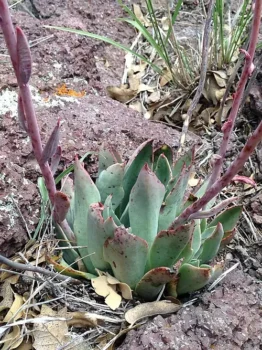
Desert Savior: A Texas Native Succulent Worth Discovering
Meet the desert savior (Echeveria strictiflora), a charming native succulent that’s been quietly thriving in Texas long before succulent gardens became trendy. This understated beauty proves that sometimes the best plants are hiding in plain sight in our own backyards.
What Makes Desert Savior Special?
Desert savior is a true Texas native, belonging to the beloved Echeveria family of succulents. As a perennial forb herb, it lacks the woody stems of shrubs and trees, instead forming the classic succulent rosette shape that gardeners adore. You might also see it listed under its scientific synonym, Cotyledon strictiflora, in older gardening references.
Where Does It Call Home?
This resilient plant is native to Texas, where it has adapted to thrive in the state’s challenging climate conditions. Its natural habitat gives us important clues about how to grow it successfully in our gardens.
- Species observed
- No observations
Why Consider Desert Savior for Your Garden?
There are several compelling reasons to give this native succulent a spot in your landscape:
- True native plant: Supporting local ecosystems while reducing maintenance needs
- Water-wise choice: Perfect for drought-tolerant gardening and xeriscaping
- Low maintenance: Once established, requires minimal care
- Year-round interest: Provides structure and texture throughout the seasons
Where Does Desert Savior Shine in the Landscape?
This adaptable succulent works beautifully in several garden settings:
- Rock gardens and xeriscapes
- Container plantings and succulent arrangements
- Border plantings in native plant gardens
- Areas with challenging growing conditions
Growing Conditions and Care
Like most succulents, desert savior appreciates well-draining soil and plenty of sunshine. Here’s what this Texas native needs to thrive:
- Light: Full sun to partial shade
- Soil: Well-draining soil is essential – avoid heavy clay or waterlogged conditions
- Water: Deep but infrequent watering once established
- Climate: Best suited for USDA hardiness zones 8-10, matching its Texas origins
Planting and Care Tips
Getting started with desert savior is refreshingly straightforward:
- Plant in spring after the last frost for best establishment
- Amend heavy soils with sand or perlite to improve drainage
- Water regularly the first season, then reduce frequency as the plant establishes
- Protect from excessive moisture during winter months
- Consider container growing in areas with harsh winters
A Hidden Gem Worth Exploring
While desert savior might not be the flashiest plant at the nursery, it offers something increasingly valuable: a low-maintenance, water-wise native that connects your garden to Texas’s natural heritage. For gardeners looking to reduce water usage while supporting local ecosystems, this humble succulent deserves serious consideration.
As native plant gardening continues to grow in popularity, plants like desert savior remind us that sometimes the best choices are literally growing in our own backyard. Give this Texas native a try – your garden (and your water bill) will thank you.