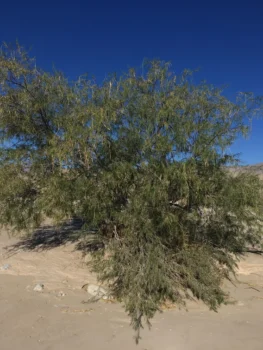
Desert Willow: The Drought-Tolerant Beauty That’s Perfect for Water-Wise Gardens
If you’re looking for a stunning native plant that laughs in the face of drought while providing months of gorgeous blooms, let me introduce you to the desert willow (Chilopsis linearis). Don’t let the name fool you – this isn’t actually a willow at all! It just happens to have graceful, willow-like leaves that dance in the breeze. Think of it as nature’s little joke with a seriously beautiful punchline.
A True American Native with Serious Range
Desert willow is a proud native of the lower 48 states, calling home to an impressive stretch of the American Southwest. You’ll find this adaptable beauty growing naturally across Arizona, California, Georgia, Kansas, Nevada, New Mexico, Oklahoma, Texas, and Utah. That’s quite the geographical footprint for a plant that started out in desert washes and riparian areas!
- Species observed
- No observations
Why Your Garden Needs a Desert Willow
Here’s where desert willow really shines – it’s like having a tropical vacation right in your drought-stressed backyard. This perennial shrub produces absolutely stunning orchid-like flowers in shades of purple, pink, white, and burgundy from late spring all the way through fall. We’re talking about months of continuous color with minimal effort on your part.
But the beauty doesn’t stop at the flowers. The plant itself grows into an elegant multi-stemmed specimen that can reach up to 25 feet tall and about 15 feet wide at maturity, though it typically stays smaller in most garden settings. With its rapid growth rate, you won’t be waiting decades to enjoy its full glory either.
Perfect for These Garden Styles
Desert willow is absolutely made for:
- Xeriscape and drought-tolerant gardens
- Mediterranean-style landscapes
- Wildlife and pollinator gardens
- Natural or native plant gardens
- Modern minimalist landscapes with bold focal points
A Pollinator Magnet
Those tubular flowers aren’t just pretty faces – they’re hummingbird magnets! The shape is practically custom-designed for our tiny feathered friends, while also attracting bees and butterflies. If you’ve been trying to create a wildlife-friendly garden, desert willow should definitely be on your shortlist.
Growing Conditions That Make Life Easy
Here’s the best part about desert willow – it’s incredibly low-maintenance once established. This plant thrives in USDA hardiness zones 7-11 and can handle temperatures as low as -23°F. Talk about tough!
Soil Requirements: Desert willow strongly prefers coarse-textured, well-draining soils. Don’t even think about planting it in heavy clay or constantly moist conditions – it won’t thank you for it. Sandy or gravelly soils are perfect.
Water Needs: Once established, this plant has high drought tolerance and low moisture requirements. It can handle annual precipitation ranging from just 4 inches to 37 inches, making it incredibly versatile.
Sun Requirements: Full sun is where desert willow truly thrives, though it can tolerate intermediate shade levels.
Soil pH: Quite flexible here, handling pH levels from 6.6 to 10.0, including alkaline conditions that challenge many other plants.
Wetland Status and Water Tolerance
Desert willow has an interesting relationship with water. In most regions, it’s classified as facultative or facultative upland, meaning it usually prefers drier conditions but can occasionally handle some moisture. This makes it quite adaptable, though consistently wet conditions are definitely not its friend.
Planting and Care Tips
When to Plant: Spring is your best bet, giving the plant a full growing season to establish before winter.
Getting Started: Desert willow is routinely available at nurseries and can be propagated by seed, cuttings, bare root, or container plants. Seeds are tiny – there are about 86,000 per pound!
First Year Care: While drought-tolerant when mature, give your desert willow regular water during its first growing season to help it establish a strong root system.
Ongoing Maintenance: This is where desert willow really wins points for being low-maintenance:
- Minimal fertilizer needed (it actually prefers low-fertility conditions)
- Deadhead spent flowers to encourage continued blooming
- Light pruning in late winter if needed to shape
- Very little water needed once established
The Bottom Line
Desert willow is honestly one of those plants that makes you wonder why more people don’t grow it. It’s native, gorgeous, drought-tolerant, fast-growing, and beloved by pollinators. Whether you’re dealing with water restrictions, challenging soil, or just want a stunning specimen that doesn’t require babying, desert willow delivers on all fronts.
Just remember – this beauty needs excellent drainage and plenty of sun to truly thrive. Give it those two things, and you’ll have a showstopper that blooms its heart out while barely touching your water bill. Now that’s what I call a win-win!