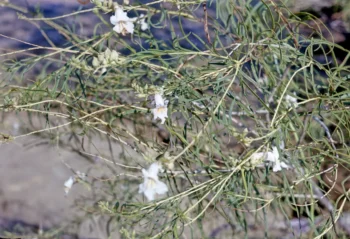
Desert Willow: A Stunning Native Beauty for Water-Wise Gardens
If you’re looking for a plant that laughs in the face of drought while putting on a spectacular floral show, meet the desert willow (Chilopsis linearis arcuata). This native gem is like having your cake and eating it too – gorgeous blooms without the guilt of a water-guzzling garden diva.
What Makes Desert Willow Special
Don’t let the name fool you – desert willow isn’t actually a willow at all! This perennial shrub earned its common name from its long, narrow leaves that dance in the breeze like a true willow. Botanically known as Chilopsis linearis arcuata, this beauty belongs to the trumpet vine family and has quite the personality to match.
As a native species to the lower 48 states, desert willow has earned its stripes surviving in some pretty tough conditions. You’ll find it naturally growing across Arizona, California, Georgia, Nevada, New Mexico, Texas, and Utah – quite the geographic spread for such a specialized desert dweller!
- Species observed
- No observations
Why Your Garden Wants a Desert Willow
Picture this: orchid-like flowers in shades of pink, purple, and white adorning graceful, arching branches from late spring through fall. The tubular blooms aren’t just pretty faces either – they’re absolute magnets for hummingbirds and bees, turning your garden into a bustling wildlife café.
This multi-stemmed woody shrub typically reaches 13-16 feet in height, though it can surprise you and grow taller under the right conditions. Its growth habit is delightfully informal, with several stems arising from the ground to create an elegant, fountain-like silhouette that works beautifully as:
- A striking specimen plant in xeriscaped gardens
- Natural screening in desert landscapes
- Wildlife habitat plantings
- Water-wise landscape focal points
Growing Desert Willow Successfully
Here’s where desert willow really shines – it’s practically foolproof once you understand its simple needs. This plant thrives in USDA hardiness zones 7-11, making it suitable for much of the southern and southwestern United States.
Perfect Growing Conditions
- Sunlight: Full sun is non-negotiable – this plant wants to bask in those rays
- Soil: Well-draining soil is crucial; soggy feet will make your desert willow very unhappy
- Water: Drought tolerant once established, requiring minimal supplemental irrigation
- Space: Give it room to spread and show off its natural form
Planting and Care Tips
Plant your desert willow in spring after the last frost date. While it’s establishing (usually the first year), provide regular water to help those roots get settled. After that, you can practically ignore it – which is exactly how desert willow likes it!
Occasional pruning in late winter or early spring will help maintain shape and remove any dead wood, but don’t go overboard. This plant looks best when allowed to maintain its natural, graceful form.
The Bottom Line
Desert willow is a win-win plant for gardeners who want maximum impact with minimum fuss. Its native status means it’s perfectly adapted to local conditions, its drought tolerance makes it an environmental champion, and its stunning blooms and wildlife appeal make it a garden superstar. Whether you’re creating a water-wise landscape or simply want a low-maintenance beauty that gives back to local ecosystems, desert willow deserves a spot in your garden planning.
Just remember – with great beauty comes great responsibility to let this native treasure shine in conditions that mirror its natural habitat. Give it sun, drainage, and space to spread, and it’ll reward you with years of effortless elegance.