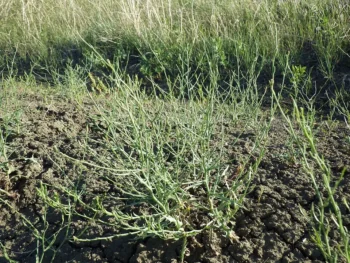
Desert Wirelettuce: A Delicate Prairie Native for Natural Gardens
If you’re looking to add a touch of prairie elegance to your garden, desert wirelettuce might just be the understated beauty you’ve been searching for. This native North American perennial brings a delicate, almost ethereal quality to natural landscapes with its wispy stems and charming pink flowers.
What is Desert Wirelettuce?
Desert wirelettuce (Stephanomeria runcinata) is a perennial herbaceous plant that’s as tough as it is graceful. Don’t let the desert in its name fool you – this adaptable native thrives across a surprisingly wide range of conditions throughout the western United States and Canada. It’s also known by the synonym Ptiloria ramosa, though desert wirelettuce is the name that’s stuck.
As a forb (a fancy botanical term for a non-woody flowering plant), desert wirelettuce lacks any significant woody tissue and dies back to ground level each winter, only to emerge again in spring with renewed vigor.
Where Does Desert Wirelettuce Grow Naturally?
This hardy native calls home to a vast swath of western North America. You’ll find it growing wild across Alberta and Saskatchewan in Canada, and throughout Colorado, Montana, Nebraska, North Dakota, Utah, and Wyoming in the United States. It’s perfectly adapted to the challenging conditions of the Great Plains and Rocky Mountain regions.
- Species observed
- No observations
Why Consider Desert Wirelettuce for Your Garden?
Desert wirelettuce offers several compelling reasons to earn a spot in your landscape:
- Native plant benefits: As a true native, it supports local ecosystems and requires minimal resources once established
- Drought tolerance: Perfect for water-wise gardening and xeriscapes
- Pollinator magnet: Its small but numerous flowers attract native bees, butterflies, and other beneficial insects
- Unique texture: The thin, wiry stems create an interesting architectural element in natural plantings
- Low maintenance: Once established, it pretty much takes care of itself
Garden Design and Landscape Role
Desert wirelettuce shines as an accent plant in prairie gardens, natural landscapes, and wildlife-friendly spaces. Its delicate, branching structure adds vertical interest without overwhelming other plants. Think of it as nature’s version of baby’s breath – it provides a soft, airy backdrop that makes showier plants pop while contributing its own subtle charm.
This plant is ideally suited for:
- Prairie and meadow gardens
- Xeriscapes and drought-tolerant landscapes
- Natural or wild garden areas
- Pollinator gardens
- Restoration projects in appropriate regions
Growing Conditions and Care
Desert wirelettuce is refreshingly easy to please, as long as you understand its preferences:
Sunlight: Full sun is essential for best performance
Soil: Well-draining soils are crucial. It actually prefers lean, sandy, or rocky soils over rich garden loam. Alkaline to neutral pH is ideal
Water: Drought tolerant once established, but appreciates occasional deep watering during extended dry spells
Climate: Hardy in USDA zones 3-7, making it suitable for areas with cold winters and hot summers
Planting and Care Tips
Getting desert wirelettuce established is straightforward if you follow these guidelines:
- Seeding: Direct seed in fall for spring germination, or start seeds indoors in late winter
- Spacing: Allow adequate space for the branching growth habit
- Watering: Water regularly during the first growing season, then reduce frequency as the plant establishes
- Fertilizing: Avoid fertilizing – rich soils can actually harm this lean-soil specialist
- Maintenance: Minimal pruning needed; allow spent flowers to go to seed for natural reproduction
A Word of Caution (The Good Kind!)
Desert wirelettuce can self-seed readily in suitable conditions, which is generally wonderful for naturalizing areas. However, this means it might pop up in unexpected places in your garden. Most gardeners consider this a delightful surprise rather than a problem, but it’s worth knowing if you prefer more controlled plantings.
The Bottom Line
Desert wirelettuce is a perfect choice for gardeners who appreciate subtle beauty and want to support native ecosystems. While it may not provide the bold drama of showier perennials, it offers something equally valuable: a connection to the natural heritage of western North America and a reliable, low-maintenance plant that pollinators adore. If you’re creating a prairie garden, working on a restoration project, or simply want to try something different that’s both beautiful and ecologically beneficial, desert wirelettuce deserves serious consideration.