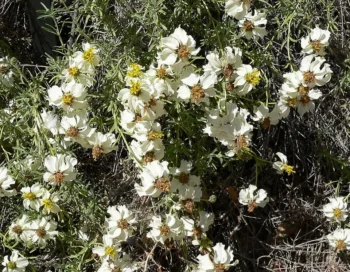
Desert Zinnia: A Tough-as-Nails Native Wildflower for Water-Wise Gardens
If you’re looking for a cheerful, low-maintenance wildflower that can handle blazing sun and minimal water, meet the desert zinnia (Zinnia acerosa). This scrappy little native puts on quite a show with its bright yellow, daisy-like blooms that seem to shrug off even the harshest conditions. Don’t let its delicate appearance fool you – this perennial powerhouse is built for survival in some of the toughest environments in North America.
What Makes Desert Zinnia Special?
Desert zinnia goes by its scientific name Zinnia acerosa, and you might occasionally see it listed under its old synonym Zinnia pumila. This native wildflower is a true southwestern original, naturally growing across Arizona, New Mexico, Texas, and Utah. As a native species to the lower 48 states, it has evolved alongside local wildlife and growing conditions for thousands of years.
- Species observed
- No observations
Unlike its flashier annual zinnia cousins that grace summer flower beds, desert zinnia is a perennial forb – essentially a non-woody plant that comes back year after year. It forms low, compact clumps that rarely exceed 8-12 inches in height but can spread 12-18 inches wide, making it perfect for filling in spaces between rocks or creating natural drifts in wildflower gardens.
Why You’ll Love Desert Zinnia
This little charmer brings several compelling reasons to earn a spot in your garden:
- Drought Champion: Once established, desert zinnia thrives on minimal water, making it perfect for water-wise landscaping
- Long Blooming Season: Bright yellow flowers with prominent centers appear from spring through fall
- Pollinator Magnet: Native bees, butterflies, and other beneficial insects flock to its nectar-rich blooms
- Low Maintenance: Requires virtually no care once established in suitable conditions
- Heat Tolerant: Thrives in full sun and high temperatures that would wilt other plants
Perfect Garden Settings
Desert zinnia shines brightest in specialized garden settings where its tough nature is an asset rather than just a nice feature. It’s absolutely perfect for:
- Xeriscape and drought-tolerant landscapes
- Rock gardens and gravel gardens
- Native plant gardens celebrating regional flora
- Naturalized areas and wildflower meadows
- Desert-themed landscapes
- Low-water border plantings
Growing Conditions and Care
Success with desert zinnia comes down to mimicking its natural habitat. This plant is happiest in USDA hardiness zones 7-10, where it can handle both summer heat and occasional winter freezes.
Sunlight: Full sun is absolutely essential – this plant needs at least 6-8 hours of direct sunlight daily to perform its best.
Soil Requirements: Well-draining soil is non-negotiable. Desert zinnia prefers sandy, rocky, or gravelly soils with excellent drainage. Heavy clay or constantly moist soils will likely kill it. Poor to moderately fertile soils are actually preferred – rich, fertile soil can make the plant too lush and reduce flowering.
Watering: Here’s where desert zinnia really shines. After establishment (usually 6-8 weeks), it needs very little supplemental water. In fact, overwatering is more likely to harm this plant than drought. During establishment, provide occasional deep watering, then back off to only the driest periods.
Planting and Establishment Tips
Getting desert zinnia off to a good start requires timing and technique:
- When to Plant: Fall planting is ideal, allowing roots to establish during cooler months. Early spring planting also works in milder climates
- Seeding: Direct seeding works well – scatter seeds on prepared soil surface and lightly rake in
- Spacing: Allow 12-18 inches between plants for mature spread
- Establishment Care: Provide occasional water during the first growing season, then reduce significantly
- Maintenance: Deadhead spent flowers to encourage continued blooming, though this isn’t strictly necessary
Wildlife and Ecosystem Benefits
As a native plant, desert zinnia plays an important role in supporting local ecosystems. Its flowers provide nectar for various pollinators, including native bees and butterflies. The plant also offers habitat and food sources for other beneficial insects that help maintain garden balance.
Is Desert Zinnia Right for Your Garden?
Desert zinnia is an excellent choice if you’re gardening in hot, dry conditions and want a reliable native wildflower that supports local wildlife. It’s particularly valuable for gardeners embracing water-wise landscaping or trying to establish more sustainable, regionally appropriate gardens.
However, this plant isn’t the best choice for traditional perennial borders, shade gardens, or areas with rich, moist soils. It also may not provide the bold, showy impact that some gardeners seek from their flowering plants.
If you’re ready to embrace a tougher, more sustainable approach to gardening while supporting native wildlife, desert zinnia might just become one of your favorite discoveries. This humble wildflower proves that sometimes the most resilient plants offer the most rewarding gardening experiences.