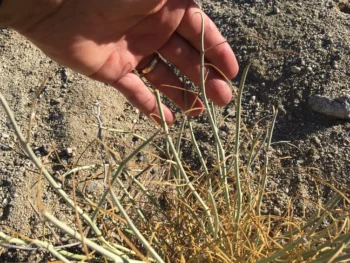
Desert Senna: A Stunning Native Shrub for Water-Wise Gardens
If you’re looking to add some sunshine to your desert landscape while supporting local wildlife, meet Desert Senna (Senna armata) – a charming native shrub that’s as practical as it is beautiful. This delightful plant brings bright yellow blooms and silvery foliage to water-wise gardens across the American Southwest.
What is Desert Senna?
Desert Senna, scientifically known as Senna armata, is a perennial shrub that’s perfectly at home in arid landscapes. You might also see it listed under its former name, Cassia armata, but don’t let that confuse you – it’s the same wonderful plant! This multi-stemmed woody beauty typically stays under 13-16 feet tall, making it a manageable addition to most garden spaces.
Where Does Desert Senna Call Home?
This true native of the lower 48 states naturally thrives in Arizona, California, and Nevada, where it has adapted beautifully to desert conditions over countless generations. Being a genuine native means it’s perfectly suited to local climate conditions and supports regional ecosystems.
- Species observed
- No observations
Why Choose Desert Senna for Your Garden?
Desert Senna offers gardeners a triple treat: stunning aesthetics, easy care, and ecological benefits. Here’s what makes this plant special:
- Bright yellow, pea-like flowers that bloom in cheerful clusters
- Attractive silvery-gray compound leaves that provide year-round interest
- Interesting seed pods that add architectural appeal
- Excellent drought tolerance once established
- Attracts beneficial pollinators including bees and butterflies
- Supports local wildlife as part of native plant communities
Perfect Garden Settings
Desert Senna shines brightest in:
- Desert and xeriscape gardens
- Native plant landscapes
- Water-wise residential gardens
- Naturalized areas and wildlife gardens
- Specimen plantings for dramatic focal points
This shrub works particularly well in USDA hardiness zones 8-11, where it can handle both the heat and occasional cold snaps.
Growing Desert Senna Successfully
The beauty of Desert Senna lies in its simplicity – this is truly a plant it and forget it kind of shrub, as long as you get the basics right.
Location and Soil
Choose a spot with full sun exposure – Desert Senna absolutely loves basking in bright light all day long. The soil should drain well; sandy or rocky soils are ideal. If your garden tends to hold water, consider building up planting areas or adding gravel to improve drainage.
Planting Tips
Fall is the perfect time to plant Desert Senna, giving it time to establish roots before the intense summer heat arrives. Dig a hole just as deep as the root ball but twice as wide, and backfill with native soil – no amendments needed!
Watering and Care
During the first growing season, provide occasional deep watering to help establish roots. Once settled in, Desert Senna becomes remarkably drought-tolerant and typically thrives on natural rainfall alone. Overwatering is actually more harmful than underwatering for this desert native.
Maintenance
Minimal maintenance required! Light pruning after flowering can help maintain shape, but many gardeners prefer to leave the interesting seed pods for winter interest and wildlife food.
Supporting Pollinators and Wildlife
Desert Senna isn’t just pretty – it’s a hardworking member of the garden ecosystem. The bright yellow flowers provide nectar for various pollinators, while the plant’s structure offers shelter for small wildlife. As a native species, it fits naturally into local food webs and supports biodiversity.
Is Desert Senna Right for Your Garden?
Desert Senna is an excellent choice if you garden in its native range and want a low-maintenance, beautiful shrub that supports local ecosystems. It’s particularly perfect for gardeners embracing water-wise landscaping or anyone wanting to create habitat for native pollinators and wildlife.
However, if you live outside zones 8-11 or in areas with heavy clay soils and high rainfall, you might want to consider other native alternatives better suited to your specific conditions.
Ready to add some desert sunshine to your landscape? Desert Senna could be just the cheerful, easy-care native your garden has been waiting for!